U.S. Firms Face Import License Delays: AiMeD Highlights Discrepancies
Discover how U.S. firms navigate import license challenges compared to Indian manufacturers, emphasizing faster approval processes for foreign devices amid mandatory inspections for local production.
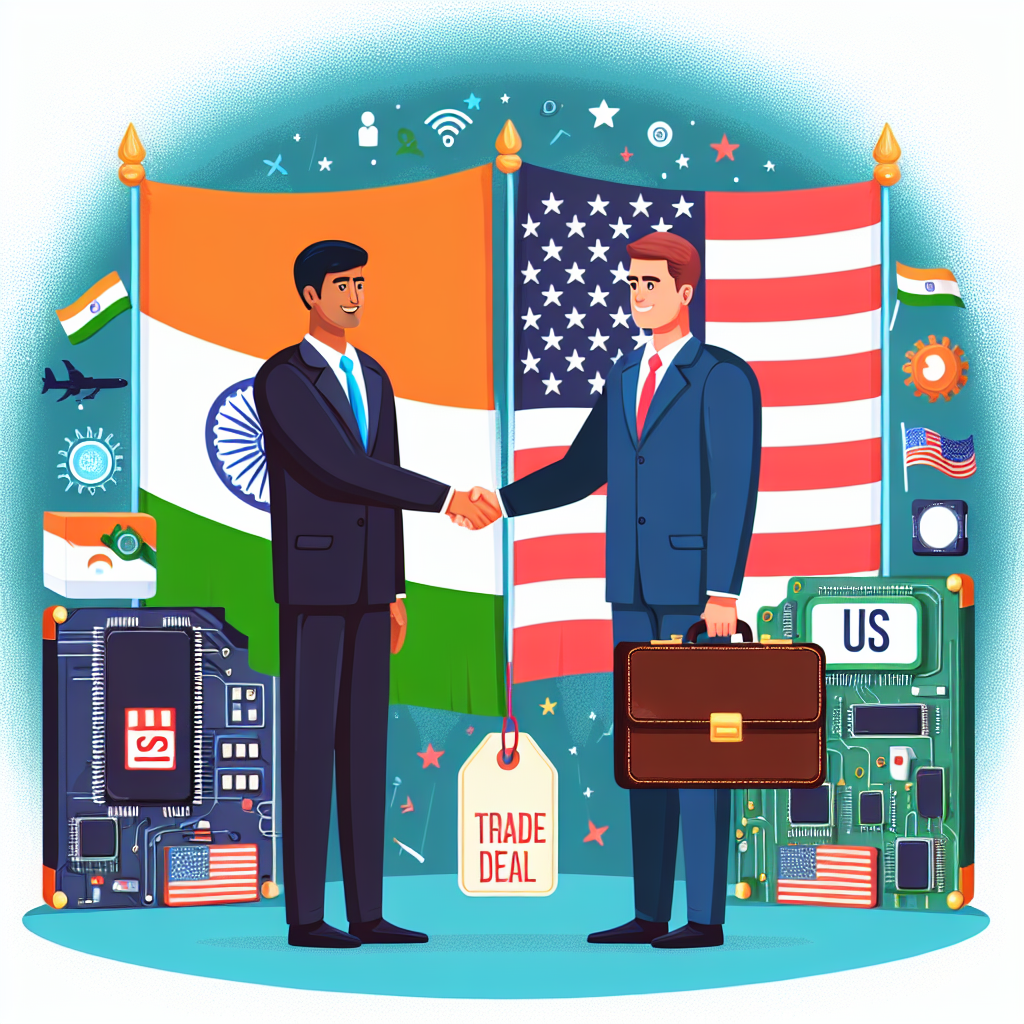
Understanding Import License Delays for U.S. Firms
The landscape of medical device imports reveals critical insights into the challenges faced by U.S. firms compared to local Indian manufacturers. As highlighted by the Association of Indian Medical Device Industry (AiMeD), the current system exposes significant discrepancies in import license approval times.
Key Points:
Faster Approvals for U.S. Devices: AiMeD's statement indicates that import licenses for U.S. medical devices achieve quicker approvals. This efficiency can be attributed to streamlined processes that favor overseas firms entering the Indian market.
Mandatory Inspections for Indian Manufacturers: In contrast, Indian manufacturers are subject to stringent mandatory inspections that can prolong their licensing process. This extra layer of scrutiny not only delays market entry but also places local companies at a competitive disadvantage.
Implications for the Industry
Competitive Landscape: The current licensing framework affects the competitive dynamics within India's medical device sector. U.S. firms benefit from expedited processes, allowing them to respond to market demands more swiftly than their Indian counterparts.
Impact on Innovation: These delays can stifle innovation in the domestic market. By placing a heavier burden on local manufacturers, there's a risk that India may lag in developing its medical technology sector.
Conclusion
The statement from AiMeD sheds light on a significant issue within the Indian medical device regulatory framework. By addressing these delays and re-evaluating inspection processes, stakeholders can work towards a more equitable competitive environment—one that nurtures innovation while maintaining safety and regulatory standards. As the industry progresses, it will be crucial for policymakers to create a fair system that benefits both domestic manufacturers and global entrants.