Urban Indians' Protein Intake: Survey Reveals Alarming Trends
Discover the stark reality of protein consumption in urban India. A recent survey shows that only 40% of urban dwellers are incorporating essential protein-rich foods into their daily diets, highlighting a significant nutrition gap.
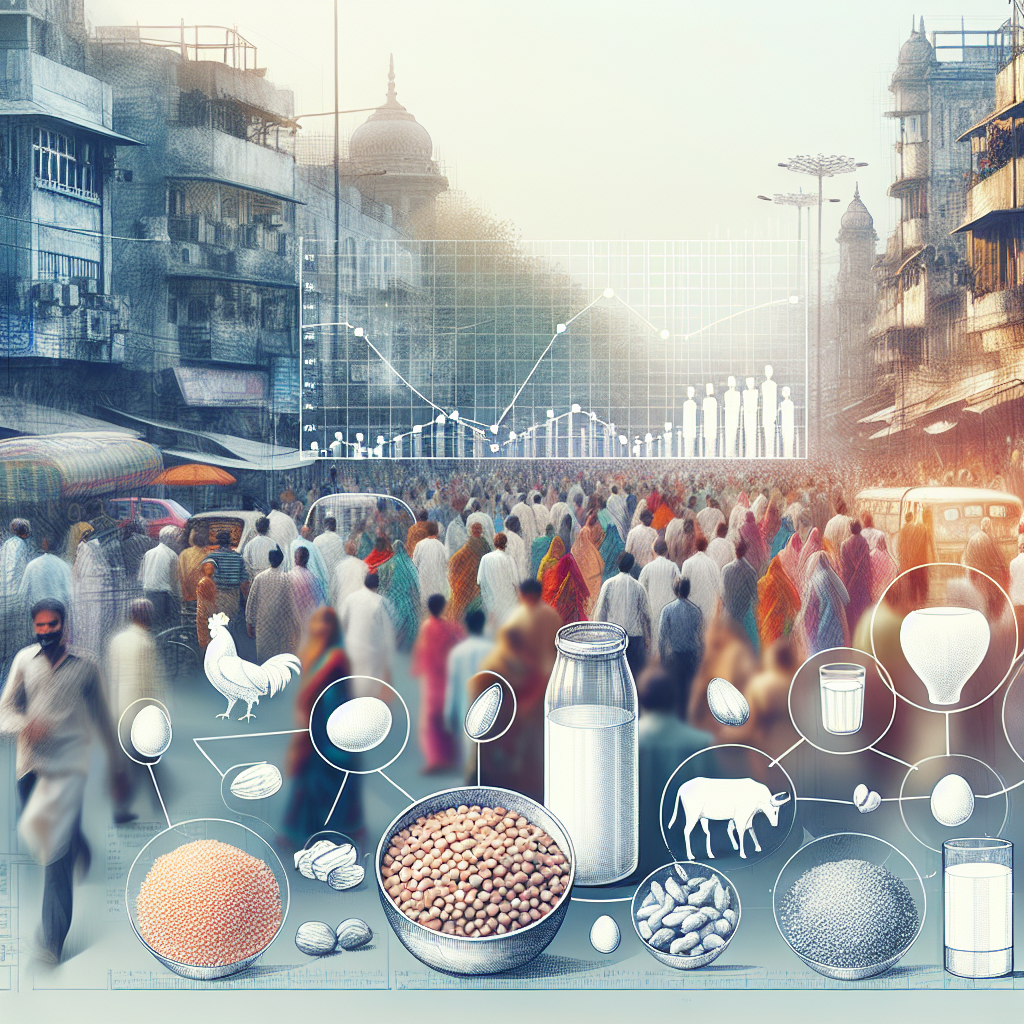
Overview of Protein Consumption in Urban India
A recent survey conducted across 25 major metros and urban districts in India has uncovered a worrying trend regarding protein consumption among urban residents. With over 207,000 responses gathered, the survey sheds light on dietary habits crucial for health and well-being.
Key Findings
Limited Protein Intake: The survey reveals that only 40% of urban Indians regularly consume protein-rich foods. This includes sources like lentils, eggs, milk, paneer, fish, and nuts, which are vital for overall nutrition.
Essential Role of Protein: Protein plays a crucial role in bodily functions, including muscle repair, enzyme production, and immune support. The lack of adequate protein intake can lead to various health issues, including muscle wasting, weakened immunity, and poor overall health.
Demographic Insights
The findings demonstrate a significant divide in dietary habits across different socio-economic groups. Factors influencing protein intake include:
- Awareness and Education: Many individuals may not fully understand the importance of protein-rich foods, leading to their neglect in daily meals.
- Accessibility: Urban areas may have varied access to diverse food options, affecting dietary choices.
Implications for Health
The alarming statistic that only 4 in 10 urban Indians are meeting their protein needs raises concerns about public health. Insufficient protein intake can have long-term implications, leading to nutritional deficiencies and increased susceptibility to diseases.
Moving Forward
- Educational Initiatives: There is a need for awareness campaigns focusing on the benefits of incorporating protein-rich foods into daily diets.
- Policy Recommendations: Improvement in food access and dietary diversity should be prioritized to encourage healthier eating habits among urban populations.
In conclusion, the findings of this survey highlight a critical need for intervention in dietary habits among urban Indians. Emphasizing the importance of protein-rich foods can lead to healthier communities and improved overall health.