Urban Air Quality Crisis: PM2.5 and PM10 Levels Soar
Overview of the Air Quality Situation
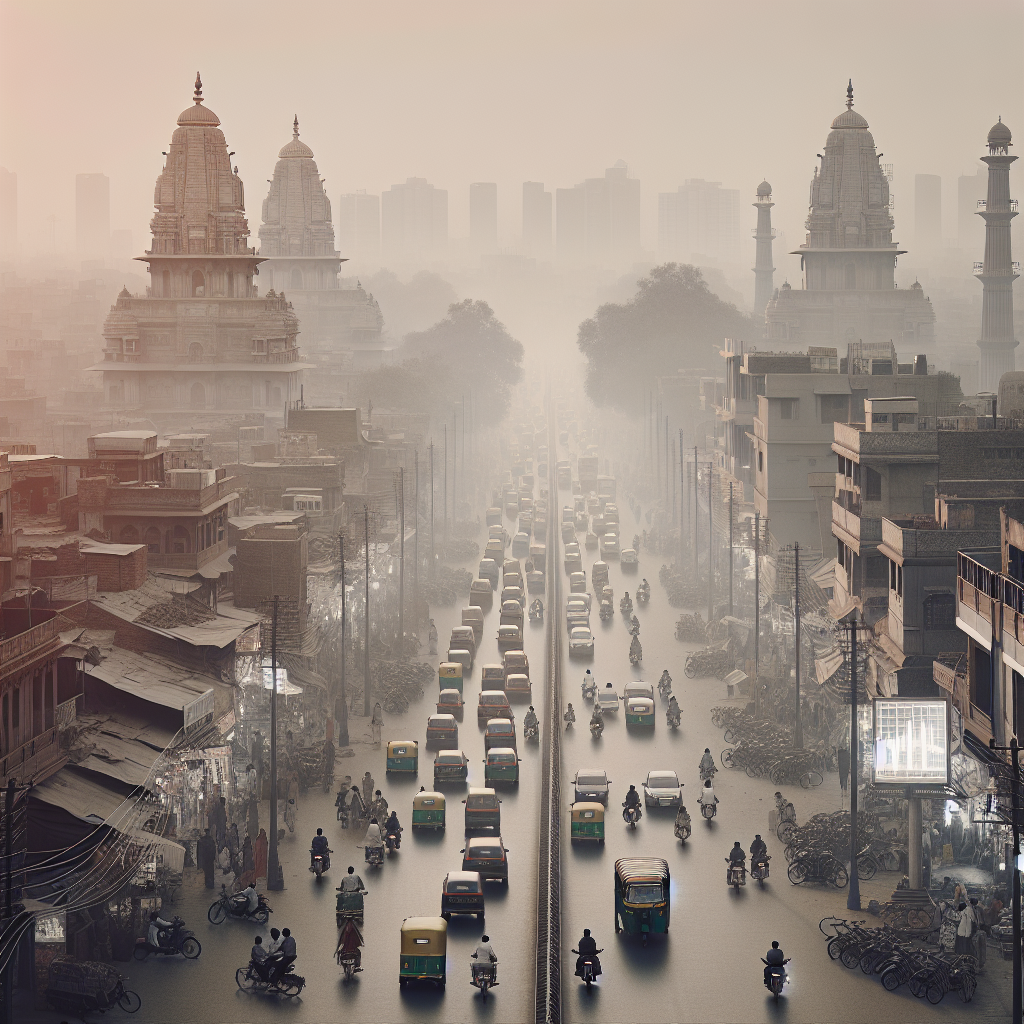
The city is currently experiencing a severe air quality crisis, characterized by thick haze and smog that significantly reduce visibility. According to the Central Pollution Control Board (CPCB), the levels of particulate matter are alarmingly high, with PM2.5 measured at 184.4 µg/m³ and PM10 at an unsettling 301.9 µg/m³. These figures are a cause for concern for residents and environmentalists alike.
Implications of High PM Levels
- Health Risks: Exposure to high levels of PM2.5 and PM10 can lead to serious health issues, including respiratory problems, cardiovascular diseases, and exacerbation of pre-existing health conditions.
- Visibility Concerns: The thick haze reduces visibility, making travel hazardous and affecting daily activities. This reduction can lead to accidents and complicate emergency responses.
- Environmental Effects: Such pollution not only impacts human health but also disrupts local ecosystems, affecting flora and fauna.
The Role of Public Awareness and Action
Addressing the air quality crisis requires public awareness and collective action. Measures include:
- Monitoring Air Quality: Continuous tracking of PM levels and dissemination of information to keep the public informed about the air they breathe.
- Government Initiatives: Implementation of stricter regulations on emissions from vehicles and industries.
- Community Engagement: Encouraging community participation in clean air initiatives, such as tree planting and pollution awareness campaigns.
Conclusion
As the city grapples with this pressing air quality issue, it is crucial for residents and authorities to collaborate actively. Understanding the implications of high PM levels can empower individuals to take proactive measures in safeguarding their health and environment.