Unlocking the Potential of Chronotherapy: Targeting Your Circadian Clock in Cancer Treatment
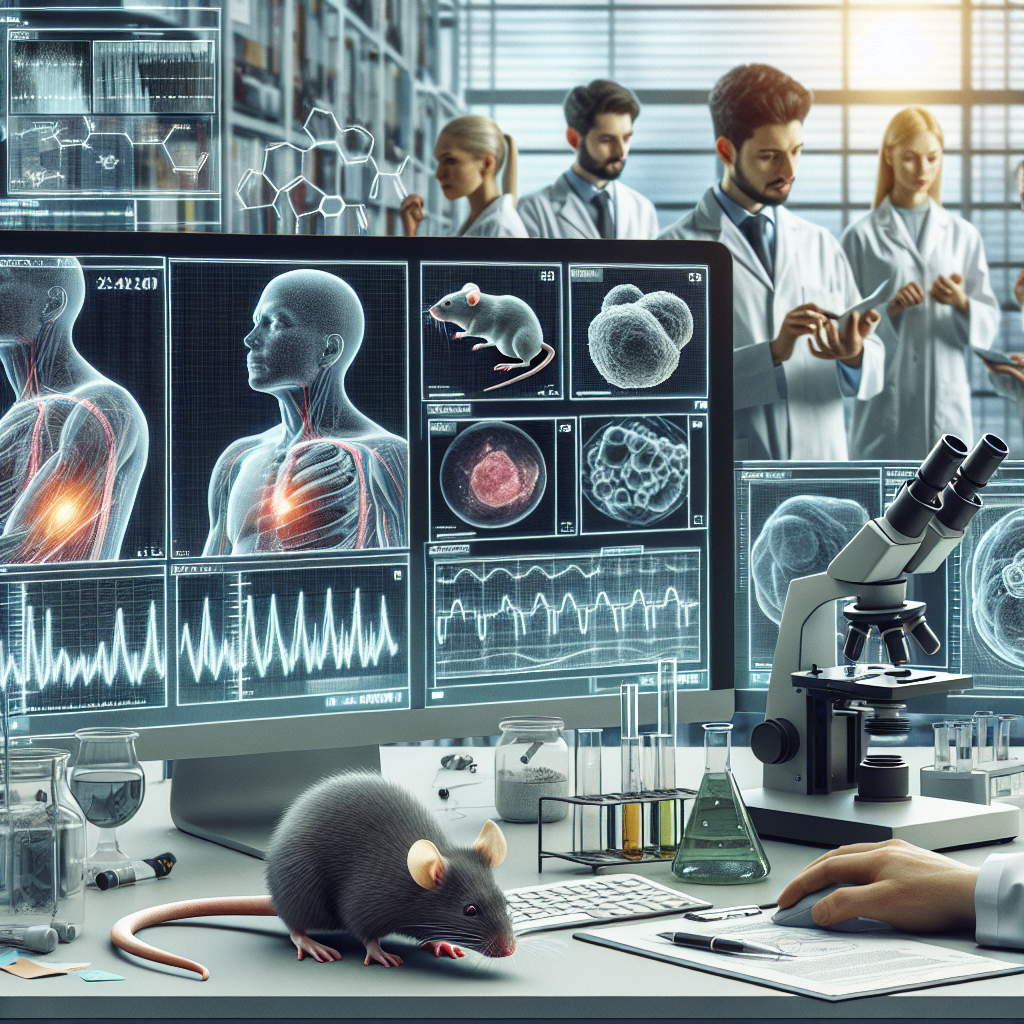
Introduction to Chronotherapy: Timing Matters in Cancer Treatment
Chronotherapy is a revolutionary approach that focuses on the timing of medication to align with the body's natural circadian rhythms. Recent studies indicate that cancer treatments can become more effective when administered at optimal times, based on the body’s internal clock. This method not only enhances the efficacy of the treatment but also aims to reduce side effects.
Understanding Circadian Rhythms
Circadian rhythms are natural processes that cycle roughly every 24 hours. These rhythms regulate various biological processes, including:
- Sleep-wake cycles
- Hormonal releases
- Body temperature
By understanding these rhythms, healthcare professionals can tailor cancer treatments to align with the body's natural fluctuations, leading to improved patient outcomes.
The Science Behind Chronotherapy
Research has demonstrated that the body's circadian clock influences cell repair and regeneration, chemotherapy sensitivity, and even drug metabolism. Key findings include:
- Enhanced Drug Efficacy: Certain drugs work more effectively when administered at specific times.
- Reduced Toxicity: Timing treatments to align with circadian rhythms can help in minimizing side effects.
- Improved Quality of Life: Patients often experience fewer adverse effects, leading to better overall health during treatment.
Implementing Chronotherapy in Cancer Care
The implementation of chronotherapy requires a multidisciplinary approach involving oncologists, pharmacists, and researchers. Here are essential steps for incorporating this strategy:
- Assessing Circadian Patterns: Evaluating individual circadian rhythms can provide insights into optimal medication schedules.
- Customizing Treatment Plans: Developing personalized treatment plans that synchronize with the patient's biological clock.
- Monitoring and Adjusting: Regularly reviewing and adjusting treatment regimens based on the patient’s response.
Conclusion: The Future of Cancer Treatment
As research continues to evolve, chronotherapy may redefine how we approach cancer treatment. It empowers patients and healthcare providers by leveraging the body’s natural rhythms to enhance therapy effectiveness. Embracing these findings can lead to a substantial shift in oncology practices, paving the way for personalized treatment strategies that prioritize both health and quality of life.
By understanding and utilizing the principles of chronotherapy, we can unlock new frontiers in cancer treatment, offering hope and improved outcomes for patients worldwide.