Understanding the Vulnerability to Air Pollution: Factors That Matter
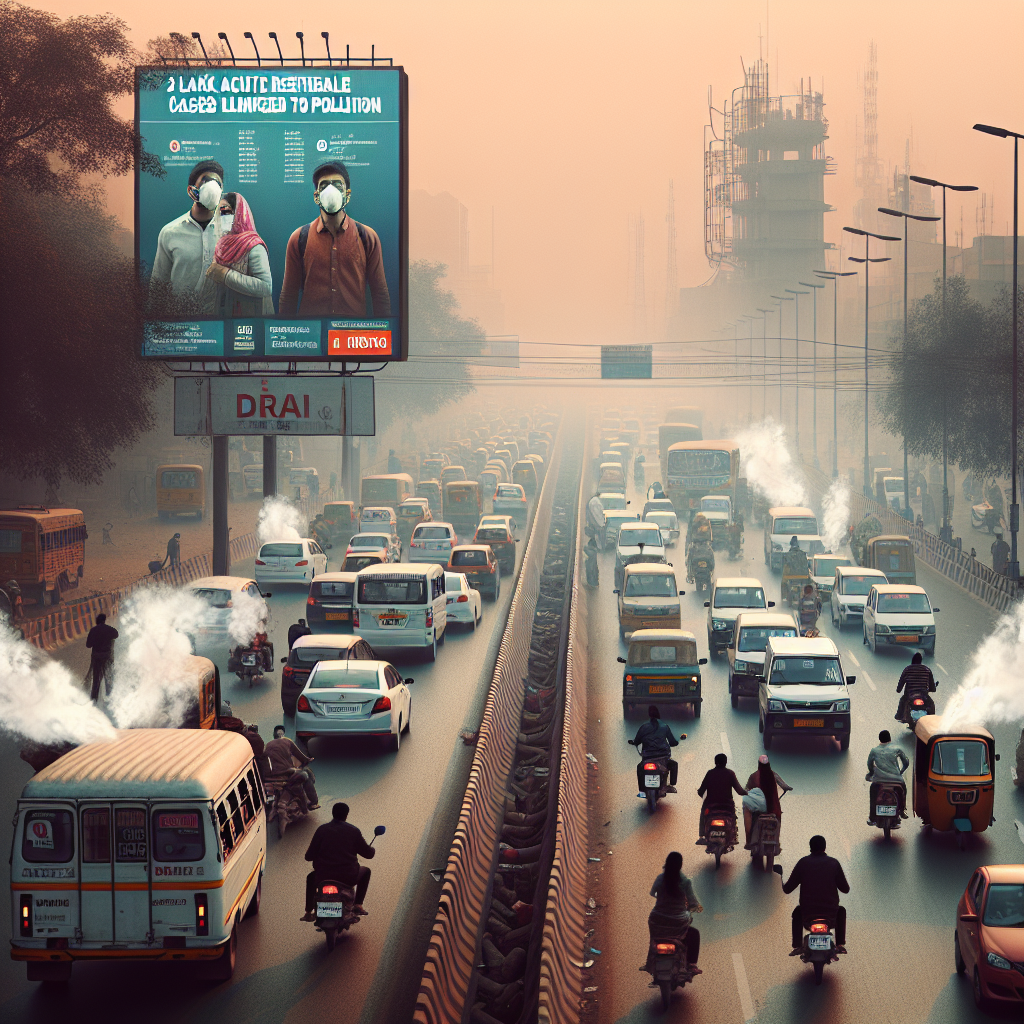
The Impact of Air Pollution on Health: Factors of Vulnerability
Air pollution is a pressing health concern that affects millions worldwide. However, its impact is not uniform; various factors play a crucial role in determining how severely individuals are affected. According to the Health Ministry, elements such as food habits, occupation, socio-economic conditions, immunity, and medical history can significantly influence a person's vulnerability to air pollution.
Key Factors Influencing Vulnerability
- Food Habits: The type and quality of diet can either strengthen or weaken the immune system. Nutrient-rich foods may provide better protection against pollutants.
- Occupation: Certain jobs expose individuals to higher levels of air pollution, increasing their risk of health issues. Understanding these occupational hazards is essential for prevention.
- Socio-Economic Conditions: Those from lower socio-economic backgrounds may lack access to healthcare, clean air spaces, or resources to mitigate exposure, exacerbating their vulnerability.
- Immunity: A person's immune system plays a critical role in their ability to combat the effects of pollution. Individuals with weakened immunity are at greater risk.
- Medical History: Pre-existing health conditions, especially respiratory or cardiovascular diseases, can aggravate the effects of polluted air.
Conclusion
Addressing air pollution is vital, but understanding the multifaceted nature of its impact on different populations is equally important. Awareness of these factors can lead to targeted interventions, helping those most at risk to take proactive measures for health protection. Increased outreach and education about air quality can equip individuals with the knowledge needed to safeguard their health. By taking collective action and prioritizing vulnerable communities, we can work towards a healthier, more resilient future.