Understanding the Gender Gap in Blood Sugar Levels and Diabetes
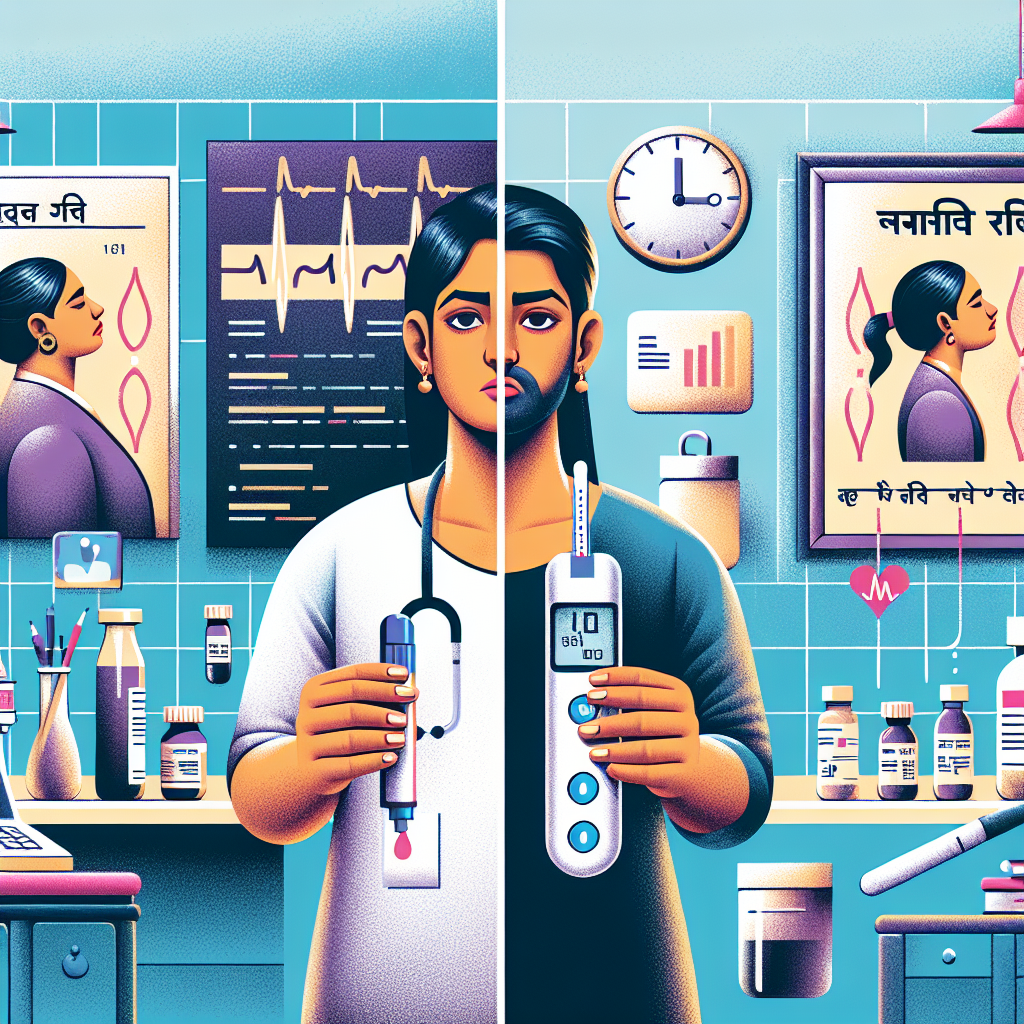
The Gender Gap in Blood Sugar Levels: Key Insights
Recent research has unveiled significant gender disparities in the prevalence of high blood sugar levels and diabetes. This study emphasizes the rising concerns regarding how men and women experience and develop diabetes at different stages of life. Here’s a breakdown of the key findings:
Study Highlights
- Prevalence of High Blood Sugar: The study reveals that 51.9% of men and 45.43% of women tested positive for high blood sugar, indicating a notable gender gap.
- Onset of Diabetes: It is observed that men typically develop diabetes earlier in life compared to their female counterparts.
- Impact of Menopause: Women appear to experience a more pronounced rise in blood sugar levels post-menopause, suggesting hormonal changes significantly impact their health.
Implications of the Findings
Understanding these gender differences is crucial for tailoring prevention and treatment strategies for diabetes.
For Men:
Early screening and lifestyle changes are essential.
Awareness of dietary choices and weight management can mitigate risks.
For Women:
Post-menopausal health monitoring should involve regular blood sugar checks.
Hormonal treatments and lifestyle adjustments may play key roles in managing diabetes risk.
Conclusion
This study serves as a reminder of the importance of recognizing how gender influences health outcomes, particularly in chronic conditions such as diabetes. By addressing these disparities, healthcare providers can better support men and women in preventing and managing high blood sugar levels and diabetes.