Understanding NLRP3 Activity in Obesity: Key Insights from Recent Research
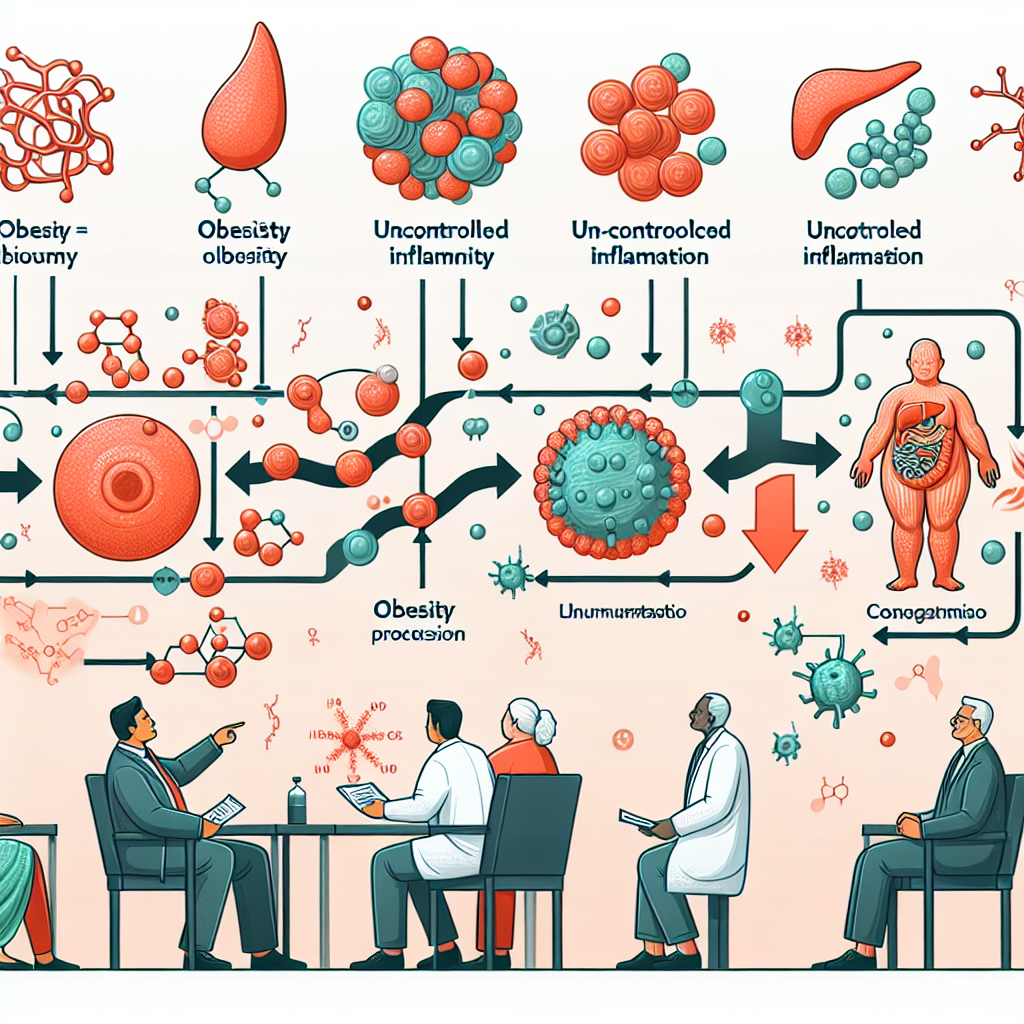
Understanding NLRP3 Activity in Obesity: Key Insights from Recent Research
Recent research has uncovered critical insights into the role of immune cells in obesity, highlighting the excessive activity of NLRP3 in both human volunteers and mice subjected to high-fat diets. This discovery not only sheds light on the inflammatory processes associated with obesity but also points to possible therapeutic interventions.
What is NLRP3?
NLRP3, or NOD-like receptor pyrin domain containing 3, is a protein that plays a crucial role in the body's immune response. It is part of a complex that regulates inflammation, making it a key player in various diseases, particularly those associated with obesity.
Research Overview
The researchers conducted a comparative analysis of immune cells from:
- Lean and obese human volunteers
- Mice fed regular diets versus those consuming high-fat diets
Their findings revealed significant differences in NLRP3 activity, suggesting that obesity may lead to heightened inflammation through this pathway.
Key Findings
- Elevated NLRP3 Activity: Both the obese individuals and high-fat diet mice exhibited excessive NLRP3 activation.
- Inflammatory Implications: Increased NLRP3 activity is linked to chronic inflammation, which is a contributing factor to various health problems associated with obesity.
Importance of the Findings
These findings underscore the need for further research into the modulation of NLRP3 activity as a potential treatment avenue for obesity-related complications. Understanding the immune response in obese individuals can pave the way for developing targeted therapies aimed at reducing inflammation and improving overall health.
Conclusion
In summary, the study reveals critical connections between obesity and immune system activity, particularly focusing on NLRP3. By identifying excessive activity in this pathway, researchers are one step closer to understanding how to combat inflammation-related health issues in obese populations. Such insights could lead to novel obesity therapies and improve health outcomes globally.