The Impact of Vaccination on Inflammation and Biological Ageing
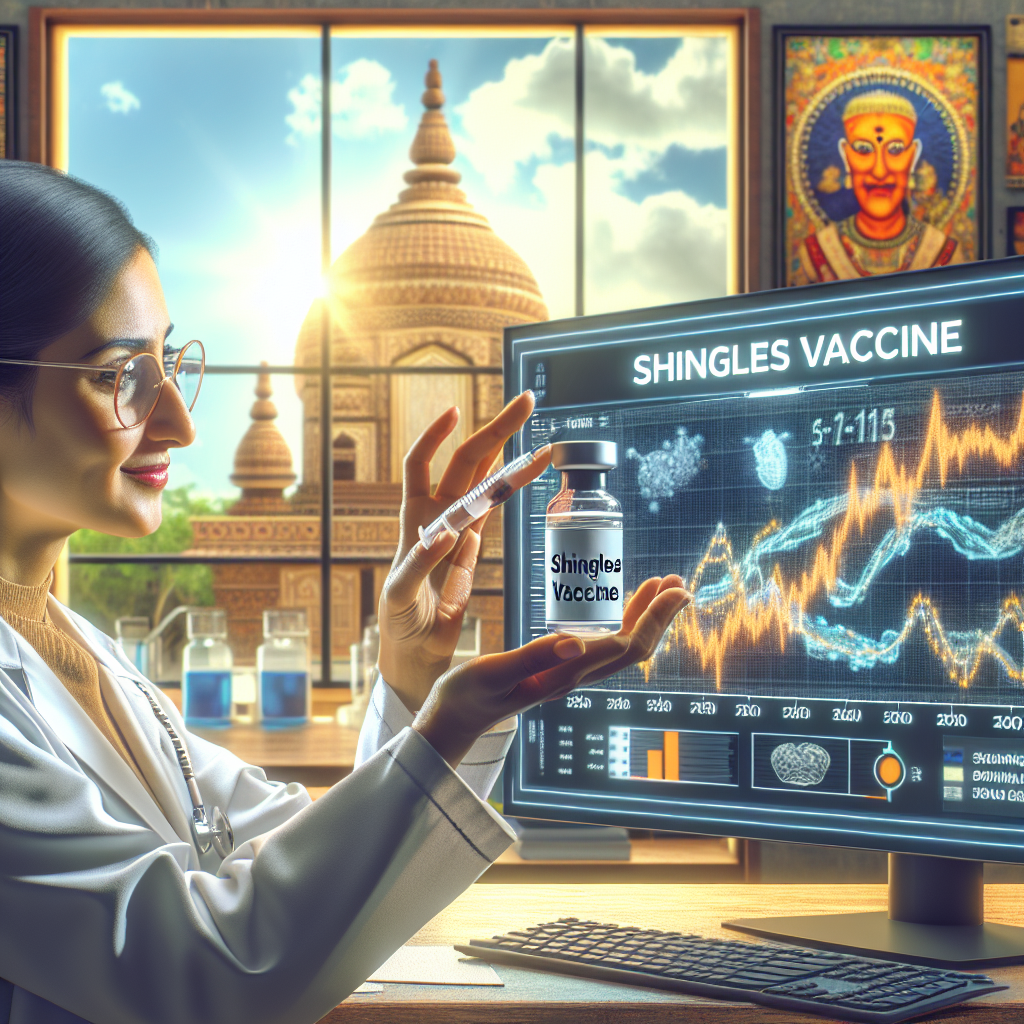
The Relationship Between Vaccination, Inflammation, and Biological Ageing
Vaccination has long been known to provide immunity against various diseases, but recent studies reveal its remarkable effects on inflammation and biological ageing. By adopting an evidence-based approach, researchers found that vaccinated individuals exhibit significantly lower levels of inflammation. This finding emphasizes the multifaceted role of vaccinations in promoting overall health and wellness.
Key Findings:
Reduced Inflammation: Vaccinated individuals demonstrated markedly lower inflammation markers, suggesting a stronger immune response and better health outcomes.
Lower Biological Ageing Score: Analysis showed that those who received vaccinations had lower biological ageing scores, indicating a healthier cellular functioning and longevity.
Slower Genetic Ageing: Genetic assessments revealed that vaccinated individuals exhibited signs of slower ageing at the genetic level, highlighting the protective effect of vaccinations on long-term health.
The Importance of Vaccination in Today’s Health Landscape
Incorporating vaccines into public health strategies not only protects against infectious diseases but also contributes to long-term health advantages. These insights underscore the worth of maintaining vaccination schedules, ensuring that populations remain healthy and resilient against various threats.
Conclusion
The implications of vaccination extend beyond immediate disease prevention. By lowering inflammation and influencing biological ageing positively, vaccines play a crucial role in enhancing quality of life. Emphasizing vaccination should be a priority in healthcare systems worldwide for the betterment of public health.
In summary, vaccinations not only safeguard against infections but also engage in promoting healthier ageing. Prioritizing immunization can lead to significantly healthier populations equipped to thrive in the face of health challenges.