The Growing Health Impacts of Plastic Pollution and Emissions
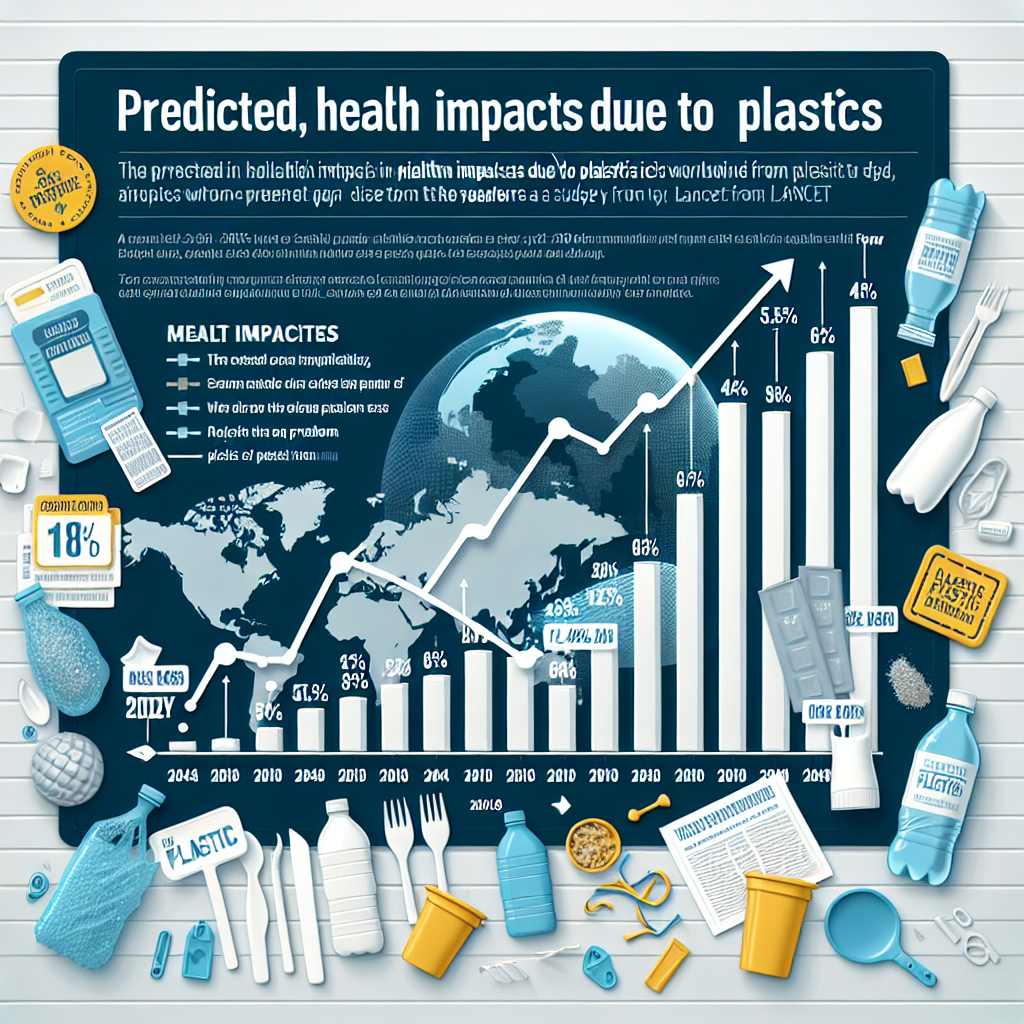
Understanding Plastic Pollution and Its Health Implications
Plastic pollution has emerged as one of the most pressing environmental challenges of our time, with its emissions posing notable risks to human health. Researchers from the London School of Hygiene and Tropical Medicine, in collaboration with French institutes, are beginning to shed light on the extensive impacts of plastic across its lifecycle.
The Lifecycle of Plastic and Emissions
- Production Phase: The journey of plastic begins at production, where harmful emissions can have immediate repercussions on air quality and human health.
- Usage Phase: During its usage, plastic can leach toxic substances, affecting anyone who comes into contact with these materials.
- Disposal Phase: The end of its lifecycle raises environmental concerns through incineration or landfills, both contributing to air pollution and potentially harmful exposure.
Key Health Risks Associated with Plastic Pollution
- Chemical Exposure: Plastics release various toxic additives and breakdown products, which can enter the human body, posing risks such as hormonal disruptions and developmental issues.
- Environmental Contamination: As plastics break down, they can contaminate water sources, leading to additional health risks through the consumption of contaminated water or food.
- Microplastic Ingestion: The pervasive presence of microplastics in food and water can lead to health concerns that are still being researched extensively.
The Need for Further Research
While we are beginning to understand the health implications of plastic pollution, researchers emphasize the urgency of further investigation into both the short-term and long-term health effects. Quantifying the overall scale of the impact remains a critical challenge, but it is essential to develop comprehensive strategies to mitigate these risks.
Conclusion
As we recognize plastic pollution as a critical public health concern, it is vital for efforts in research, policy, and community engagement to increase awareness and promote protective measures. By understanding the lifecycle of plastic and its potential health impacts, we can work toward a more sustainable future that prioritizes human health and environmental integrity.