The Eye Care Crisis in India: A Call for Change
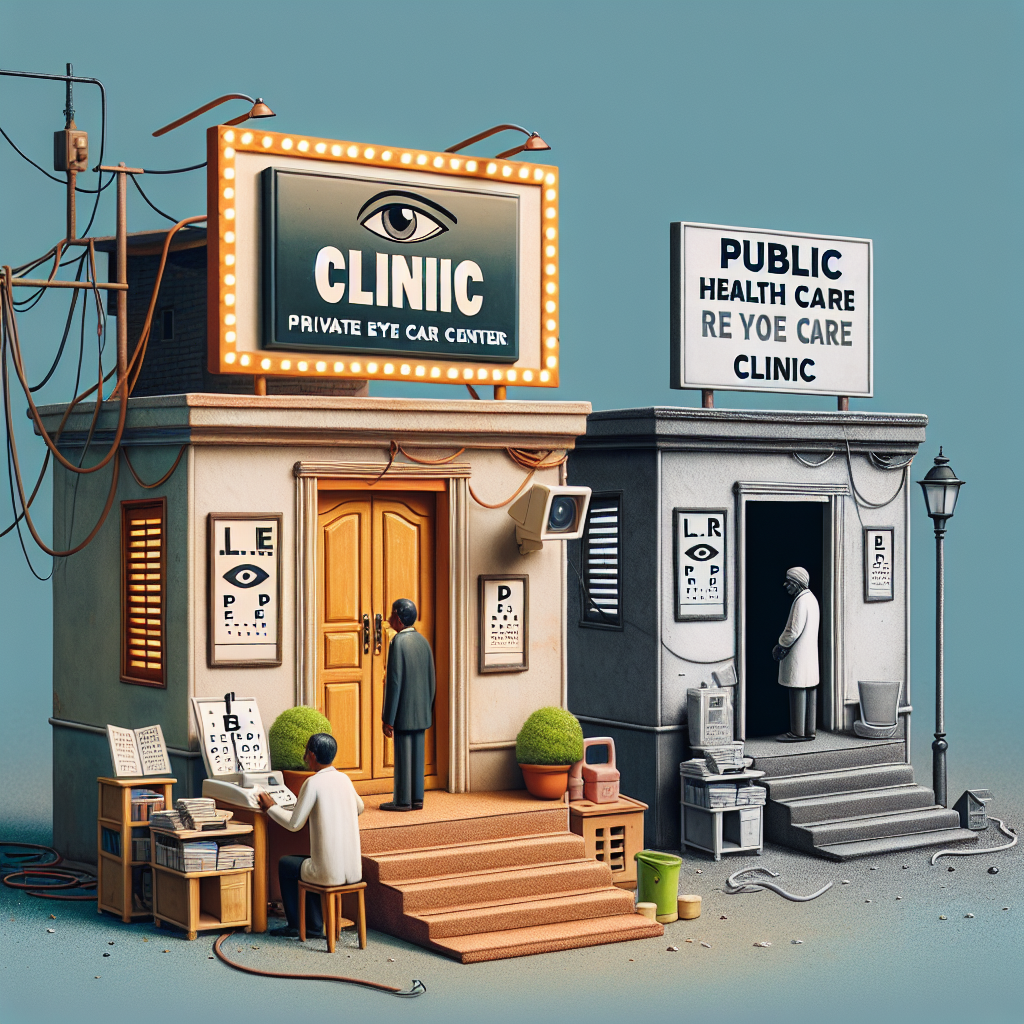
The Eye Care Crisis in India: A Call for Change
India's eye care landscape reveals concerning trends that highlight an imbalance in the availability of services. With over 70% of eye-care institutions operating privately, the responsibility for quality eye care increasingly falls on individuals' financial abilities. The following are key insights into the current state of eye care in India:
The Dominance of Private Institutions
- Private Services: Over 70% of eye-care facilities in India are privately run. This heavy reliance on private institutions often results in disparities in access based on income levels.
- Public and NGO Shortcomings: Government and non-governmental organizations together represent less than 30% of the eye-care sector, limiting options for those who cannot afford private treatment.
Emergency Eye Care Availability
- Limited Services: Alarmingly, only 40% of eye-care institutions provide emergency services. This lack of immediate care can lead to severe consequences for patients during crises.
- Need for Improvement: Enhancing emergency eye care capabilities should be a priority to ensure that timely assistance is available to all individuals, regardless of their economic standing.
Eye Banks and Rehabilitation Services
- Eye Banks: Fewer than 6% of eye-care facilities operate eye banks, which are critical for providing corneal transplants and addressing blindness caused by corneal diseases.
- Low-vision Rehabilitation: Less than a third of institutions offer low-vision rehabilitation services, a crucial element for helping visually impaired individuals regain quality of life.
The Path Forward
To address these urgent issues, a multifaceted approach is required:
- Policy Reforms: Increased government investment in eye care and support for NGOs can help balance the disparity in service availability.
- Awareness Campaigns: Educating the public about available services and the importance of eye health can drive demand for better facilities.
In conclusion, the need for reform in India's eye care sector is critical. By increasing access to emergency services, establishing more eye banks, and expanding rehabilitation options, we can ensure that quality eye care becomes a right rather than a privilege.