The Alarming Impact of a Leading Cause of Death: 1.5 Million Lives Lost
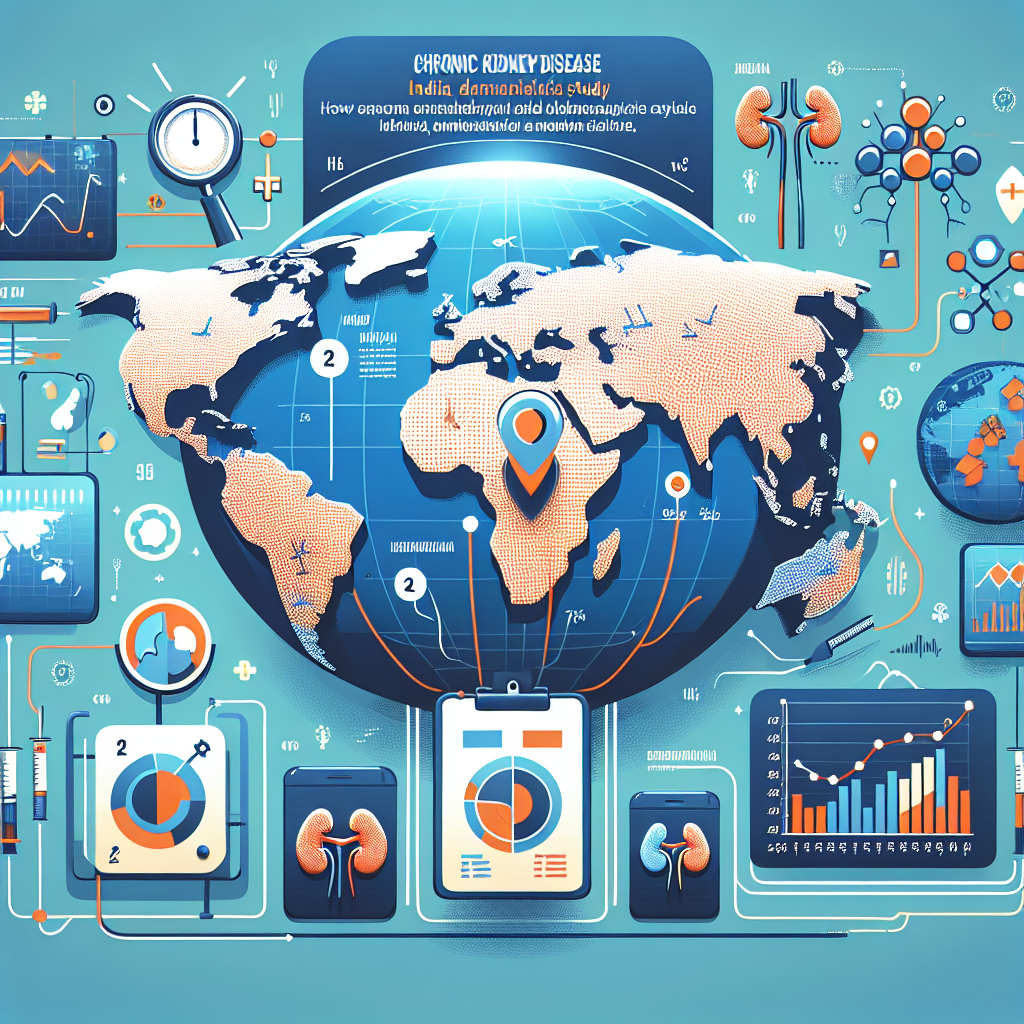
The Rising Toll of a Global Health Crisis
In recent research conducted by the Institute for Health Metrics and Evaluation (IHME) at the University of Washington, alongside other prestigious institutions in the United States and the United Kingdom, a grave revelation has emerged. The study highlights that a specific condition has become the ninth-leading cause of death globally, accounting for an estimated 1.5 million lives lost in just one year. This data underscores the importance of understanding and addressing this health crisis, as its impact resonates in various communities around the world.
Key Findings of the Research
- Death Toll: Nearly 1.5 million fatalities attributed to this condition.
- Ranking: This condition stands as the ninth most common cause of death globally.
- Geographic Relevance: The condition's effects are felt across nations, highlighting a widespread health challenge.
The Importance of Awareness
Awareness is the first step toward change. Recognizing the significance of this condition is vital for public health initiatives and policy formulations aimed at reducing mortality rates. Education on prevention, early diagnosis, and treatment options is crucial for mitigating the loss of life stemming from this condition.
What Can Be Done?
- Public Health Campaigns: Governments and organizations must launch campaigns to educate people about risk factors and prevention strategies.
- Research and Funding: Increased funding for research can lead to better understanding and treatment options for the condition.
- Community Support: Engaging local communities in health initiatives can bolster grassroots efforts to combat this crisis.
Conclusion
The findings from the IHME study are a clarion call for urgent action. As we reflect on the staggering number of lives lost, it's imperative to prioritize this issue on global health agendas and mobilize resources toward understanding and addressing this significant public health concern. Together, we can work towards reducing the impact of such conditions and ultimately save more lives.