Supplements vs Real Nutrition: Why Whole Foods Are Essential
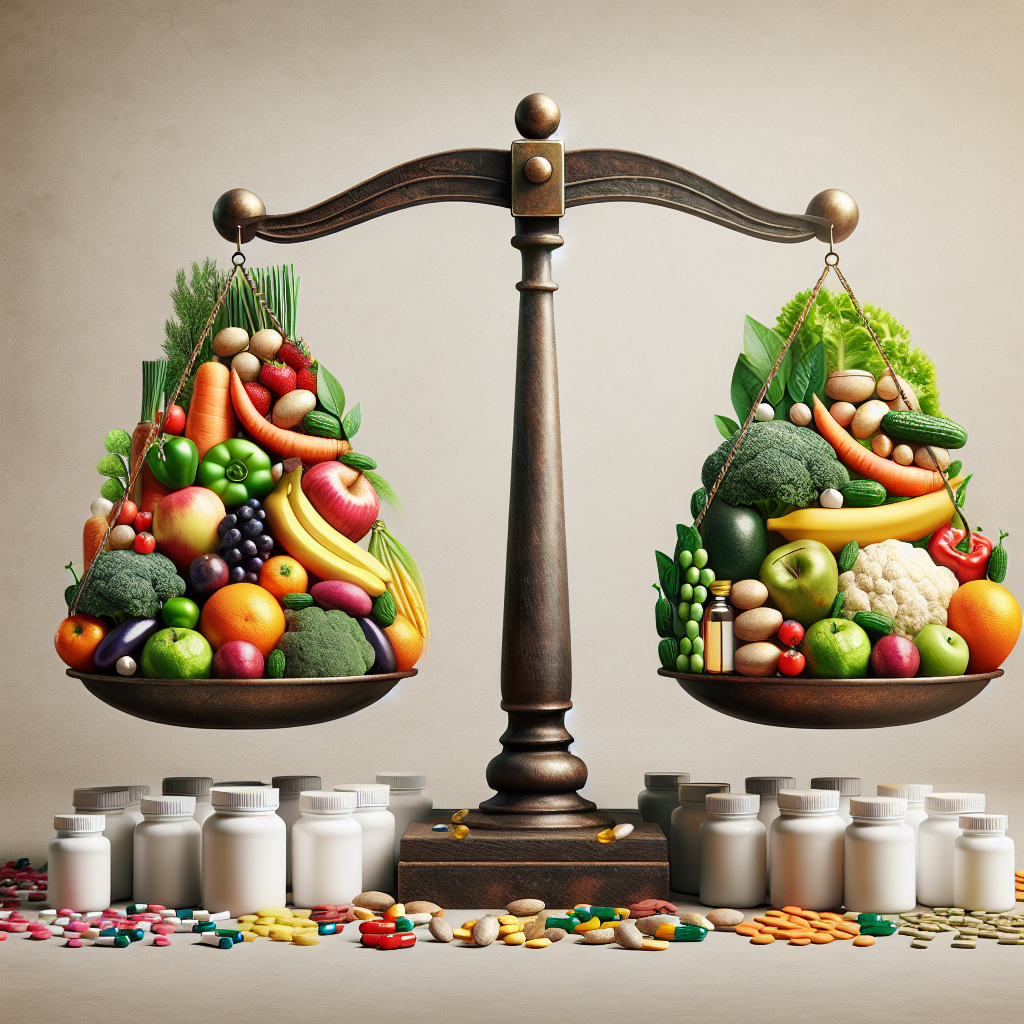
Understanding the Debate: Supplements vs Real Nutrition
In a thought-provoking panel discussion titled "Supplements vs Real Nutrition: Are We Getting It Wrong?" at the ETHealthworld’s Nutriwell Conclave, nutrition experts came together to unravel the complexities of dietary choices. This engaging session shed light on the crucial distinctions between consuming whole foods and relying on supplements.
The Superiority of Whole Foods
Whole foods, in their natural state, offer a multitude of benefits that isolated nutrients found in supplements simply cannot match. Here are a few reasons why whole foods are preferable:
- Nutrient Density: Whole foods provide a broader spectrum of vitamins, minerals, and phytonutrients, which work synergistically to nurture our bodies.
- Digestive Benefits: The fiber found in whole foods promotes healthy digestion and aids in nutrient absorption, enhancing overall gut health.
- Reduced Risk of Chronic Diseases: Diets rich in whole foods, such as fruits, vegetables, whole grains, and lean proteins, can lower the risk of developing various diseases, including diabetes and heart conditions.
The Role of Supplements
While whole foods should be the primary source of nutrition, the panelists acknowledged that supplements can play a valuable role in specific circumstances:
- Bridging Nutritional Gaps: For individuals with dietary restrictions or increased nutritional needs, supplements can help fill in the gaps.
- Convenience: In busy lifestyles, some may not always have access to nutrient-dense foods. Supplements can offer a practical alternative in such cases.
Final Thoughts
The consensus from the panel was clear: supplements should never replace a balanced diet of whole foods. Instead, they should serve as a temporary solution to augment nutrition when necessary. Focusing on diverse, nutrient-rich foods remains the best approach for long-term health and well-being.
In conclusion, as we navigate the complexities of nutrition and supplementation, it is essential to prioritize whole foods, ensuring a holistic and balanced approach to dietary choices.