Rising Uranium Contamination in Delhi's Groundwater: A Growing Concern
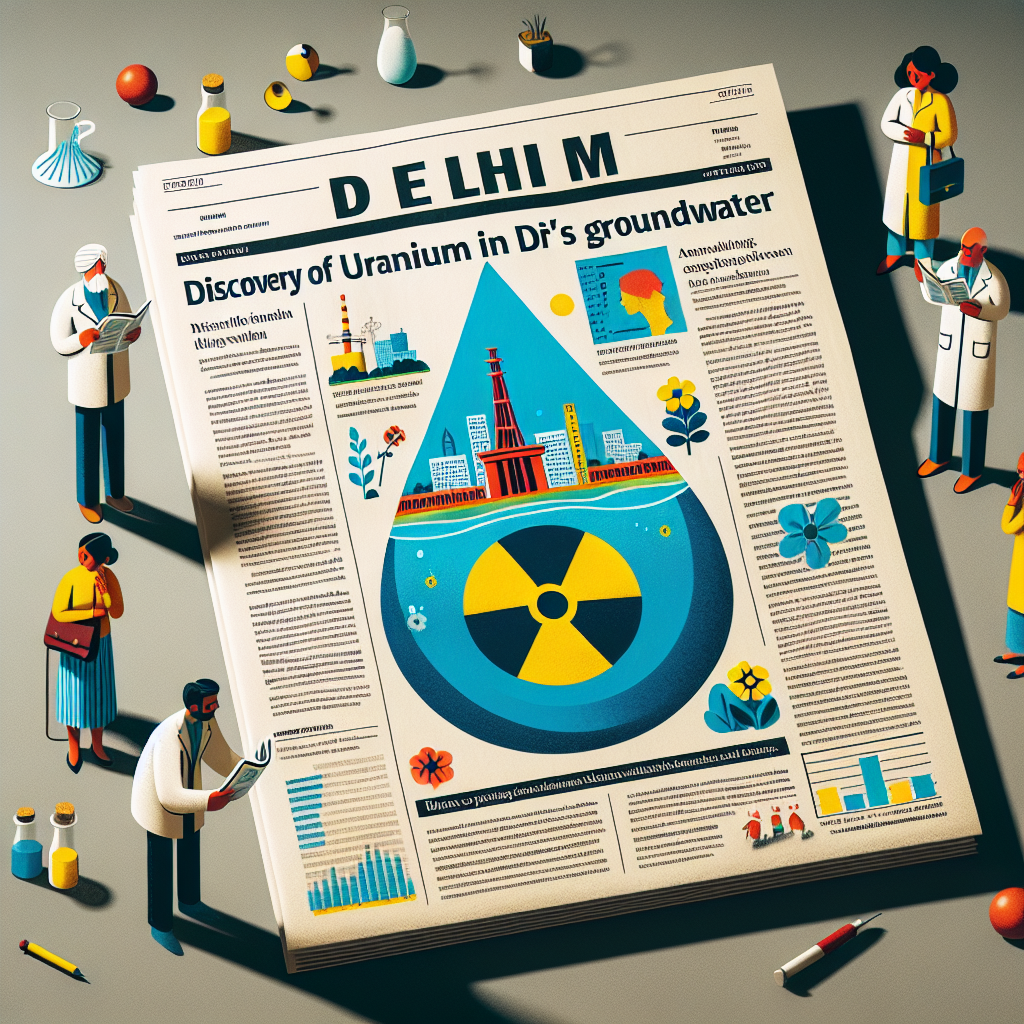
The Alarming Rise of Uranium Contamination in Delhi's Groundwater
Understanding the Issue
Delhi's groundwater is facing a significant environmental challenge with increasing levels of uranium contamination. According to the latest report from the Central Ground Water Board (CGWB), approximately 13-15% of water samples collected from the area have exceeded the safe limits established by health authorities, ranking Delhi as the third most affected region in the country.
The Health Risks
The presence of uranium in drinking water poses serious health risks, including:
- Kidney damage: Prolonged exposure can lead to severe kidney issues.
- Increased cancer risk: Uranium is a known carcinogen, raising concerns about long-term exposure.
- Bone health problems: It can accumulate in bones, leading to various health complications.
Environmental Concerns
Environmental groups are sounding alarms over this revealing data, urging for more comprehensive studies to better understand the extent of contamination and the potential sources contributing to this hazardous situation. Their demands include clearer toxicological assessments and consistent updates on the remediation efforts.
Call to Action
To address this issue comprehensively, it is crucial for stakeholders, including government bodies and environmental organizations, to:
- Enhance monitoring: Increase the frequency and scope of groundwater testing across affected areas.
- Improve data transparency: Provide the public with accessible information regarding uranium levels and health risks.
- Establish effective treatment protocols: Develop and implement robust methods for reducing uranium levels in drinking water sources.
Conclusion
As Delhi grapples with this urgent public health dilemma, a collaborative effort is required to mitigate uranium contamination in groundwater. Addressing this issue is essential for safeguarding the health and well-being of its residents and protecting the environment for future generations.