Potential New Antidepressants: Targeting SGK1 for Treatment-Resistant Patients
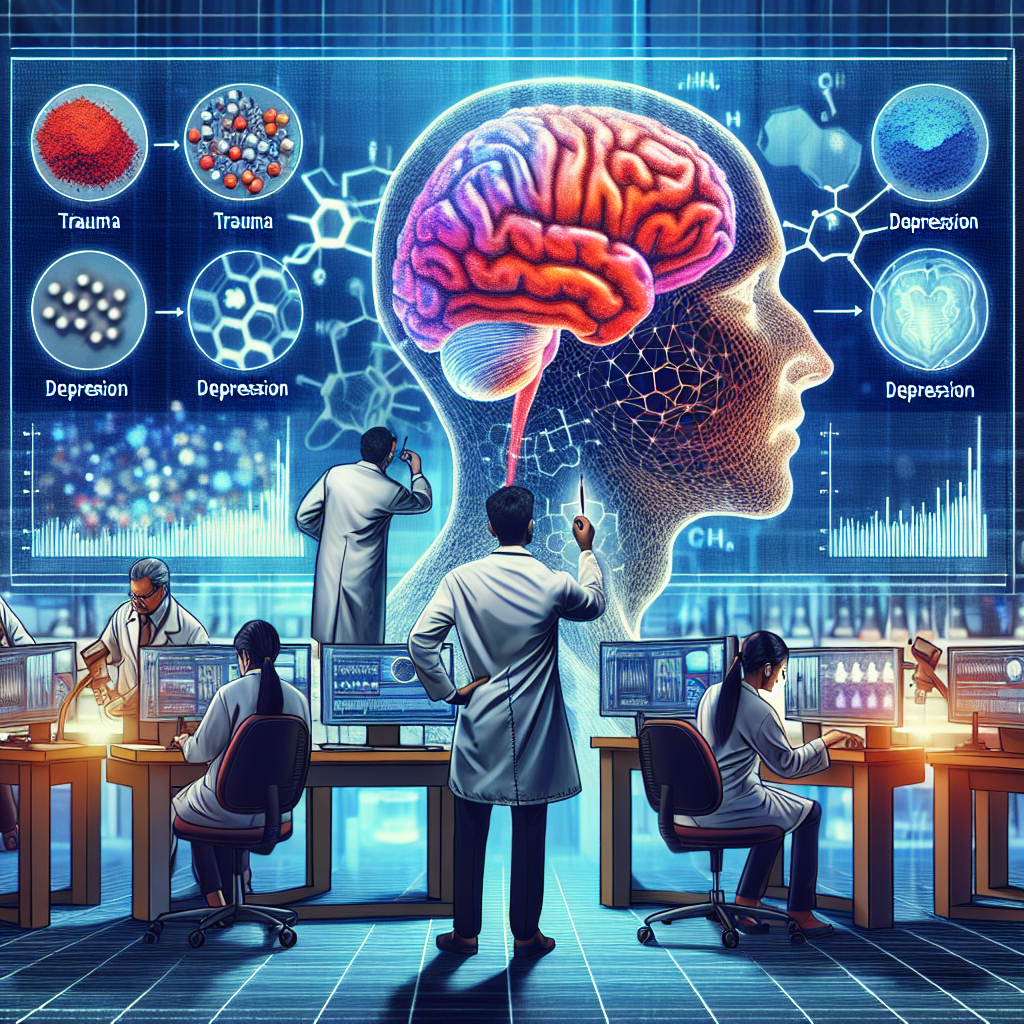
Understanding SGK1 and Its Impact on Depression
Recent studies have unveiled a significant connection between high levels of SGK1, a protein kinase, and the mental health of individuals, particularly those who have succumbed to suicide or have genetic predispositions due to early adversity. This revelation opens up a pathway for developing novel antidepressant treatments aiming to help those who struggle with treatment-resistant depression.
The Role of SGK1 in Mental Health
High SGK1 Levels: Research has shown that suicide victims often exhibit elevated SGK1 levels in their brains. This raises questions about the role of SGK1 in mood regulation and response to stressors.
Genetic Variants: Individuals with specific genetic variations that are linked to early life adversity display increased SGK1 levels, indicating a possible biological response mechanism to traumatic influences.
The Promise of SGK1 Blockers
A Novel Class of Antidepressants: Drugs targeting SGK1 can potentially revolutionize depression treatment, providing options for patients who do not respond to selective serotonin reuptake inhibitors (SSRIs).
Mechanism of Action: By inhibiting SGK1, these new drugs may help rebalance neurochemical pathways affected by stress and trauma, offering an innovative therapeutic avenue for mental health management.
Benefits for Patients
Targeted Treatment: SGK1 blockers would not only address the symptoms of depression but also target underlying biological factors contributing to treatment resistance.
Enhanced Efficacy: For patients suffering from chronic depression or those who have experienced early life challenges, SGK1 inhibitors could enhance overall treatment outcomes, providing hope where traditional treatments fall short.
In conclusion, the exploration of SGK1's role in depression could lead to significant advancements in mental health treatment. By focusing on this target, researchers aim to develop effective therapies for individuals who face the challenges of treatment-resistant depression, thereby improving countless lives.