Integrating Healthcare: WHO Summit Highlights Importance of Traditional Medicine
Introduction to the Summit
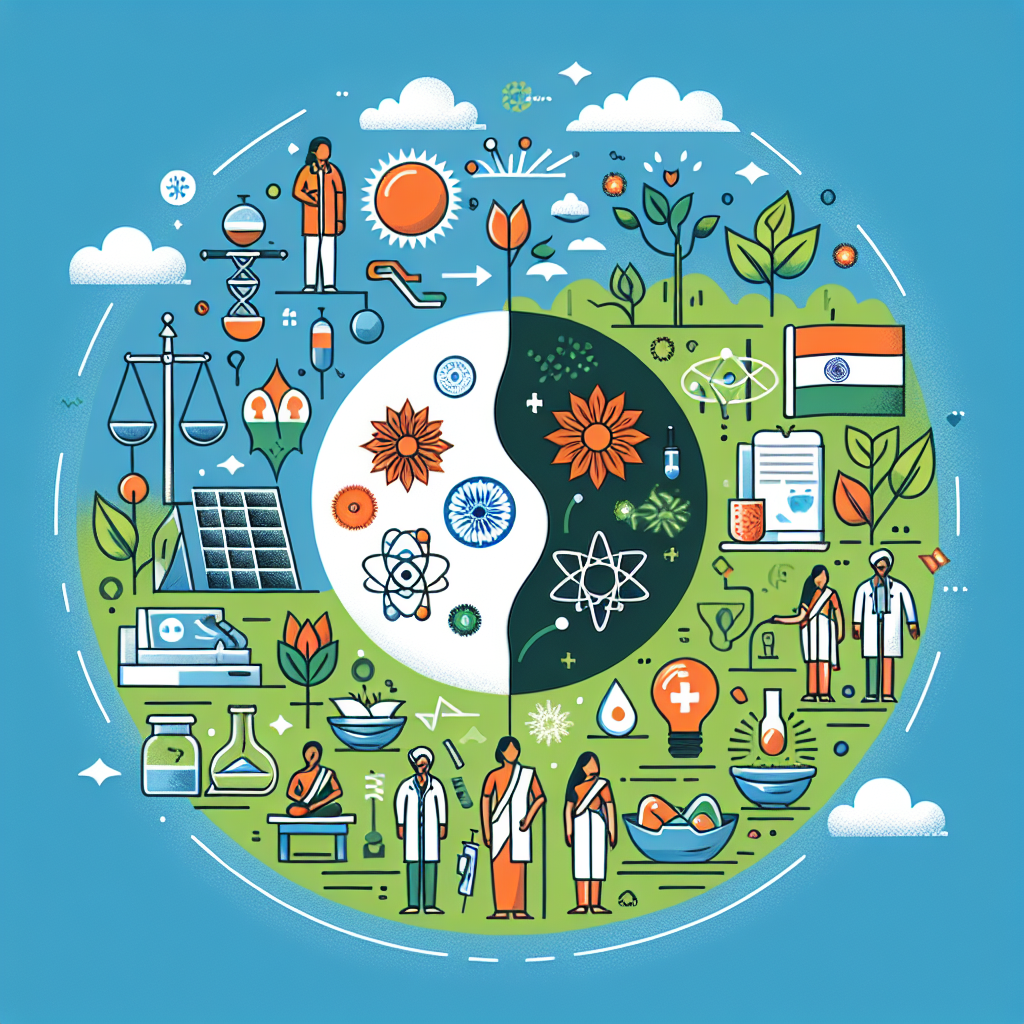
The Second WHO Global Summit on Traditional Medicine concluded recently in New Delhi, marking a significant milestone in the global fight for better healthcare. With a profound emphasis on inclusivity and integration, the summit gathered healthcare leaders, practitioners, and policymakers to discuss the essential role that both traditional medicine and modern science play in achieving comprehensive healthcare systems.
Key Takeaways from Dr. Tedros
Dr. Tedros Adhanom Ghebreyesus, the Director-General of the World Health Organization (WHO), highlighted several key areas during the summit:
Integration of Healthcare: Dr. Tedros stressed the necessity of integrating traditional medicine practices with contemporary healthcare methodologies. This approach aims to bridge cultural gaps and enhance patient care.
Complementary Roles: The summit reaffirmed the complementary roles of traditional and modern medicine, suggesting that the two can coexist to provide better health outcomes.
Regulation and Innovation: A consensus emerged on the importance of establishing clear regulations for traditional medicine to ensure safety and efficacy. Innovation in this field can lead to improved healthcare solutions.
Global Health Systems: The integration of traditional practices into health systems is essential for reaching underserved populations, especially in regions where traditional medicine is widely practiced.
The Importance of Inclusivity
Inclusivity in healthcare means recognizing and valuing diverse medical practices. As the summit underscored, integrating various healthcare modalities can empower patients and provide them with options tailored to their cultural and personal beliefs.
- Benefits of Integration:
- Enhanced healthcare accessibility
- Increased patient satisfaction
- Holistic approaches to treatment
Conclusion
The discussions and agreements reached at the Second WHO Global Summit on Traditional Medicine signify a pivotal step forward in healthcare reform. By recognizing the value of both traditional medicine and modern science, we can foster a more integrated and inclusive healthcare landscape worldwide. Embracing this dual approach may lead to innovative treatments and improved health outcomes for all communities, ensuring that every patient has access to the care they need.