Health Minister Addresses NMC's MBBS Seat Capping Concerns for Southern States
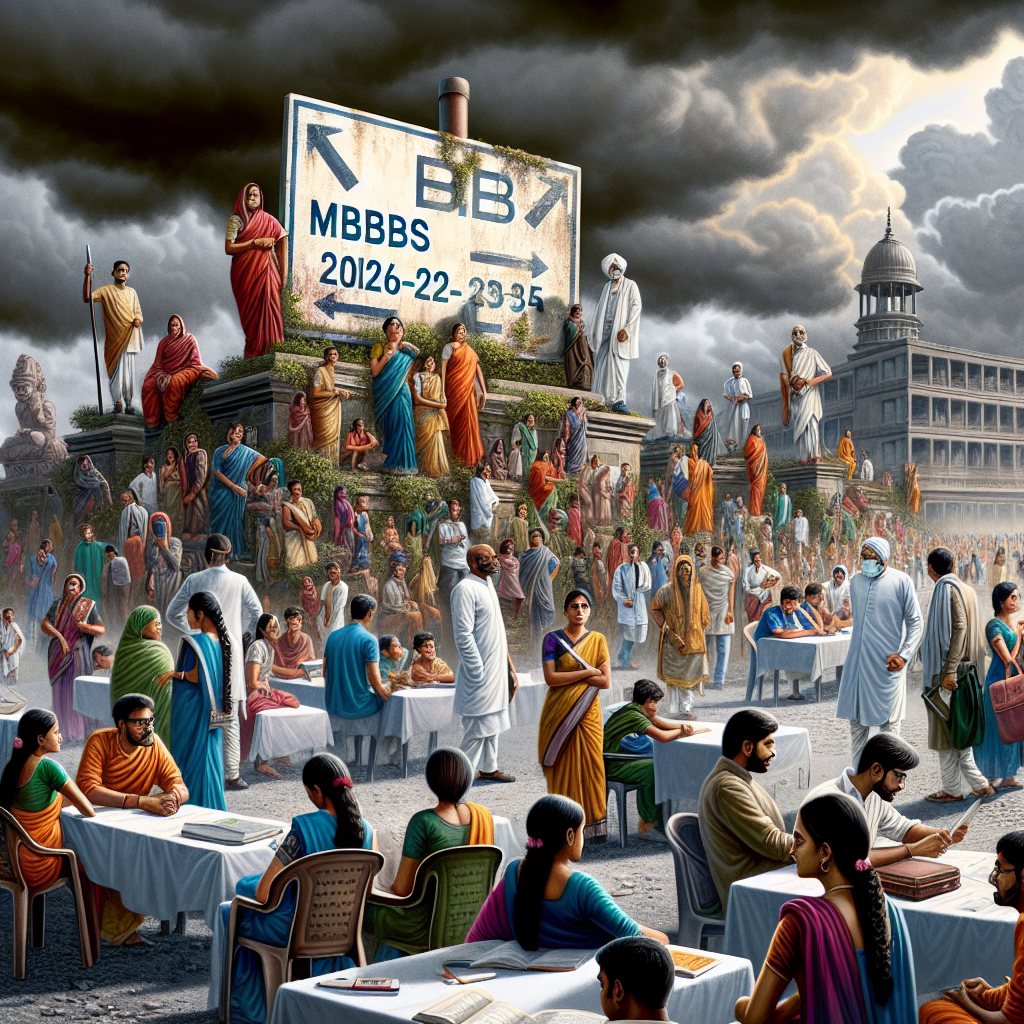
In light of the recent directive from the National Medical Commission (NMC) to limit MBBS seats to 100 per 10 lakh population, the health minister is responding to concerns about how this policy could affect southern states. This crucial decision raises questions about medical education access and healthcare availability in these regions, known for higher population densities and medical needs.
Addressing Future Healthcare Challenges
The NMC's directive to cap MBBS seats can significantly impact southern states, which have a robust demand for medical professionals. By focusing on this regulation, it’s important to analyze both the benefits and drawbacks.
Implications of the New Directive
- Access to Education: The cap may limit aspiring medical students in populous southern states, potentially leading to a shortage of qualified healthcare providers.
- Healthcare Accessibility: With fewer graduates entering the field, patients in southern states may find it harder to access quality medical care, raising concerns about public health.
Government's Stance and Actions
The health minister reassured the public that the concerns raised are under consideration. The government aims to balance medical education opportunities while ensuring an adequate supply of healthcare professionals to serve the population. Possible government actions may include:
- Reviewing Population-Healthcare Ratios: Analyzing the unique needs of individual states.
- Adjusting Policies: Considering regional healthcare demands in future directives.
As we move forward, it remains crucial for stakeholders in the healthcare sector, including educators, policymakers, and community leaders, to collaboratively address these challenges. Enhancing medical education access will not only improve healthcare outcomes but also ensure that southern states can maintain their reputation for high-quality medical services.