Fast-Tracking Diagnosis: Combatting Delays in Infection Testing in Hospitals
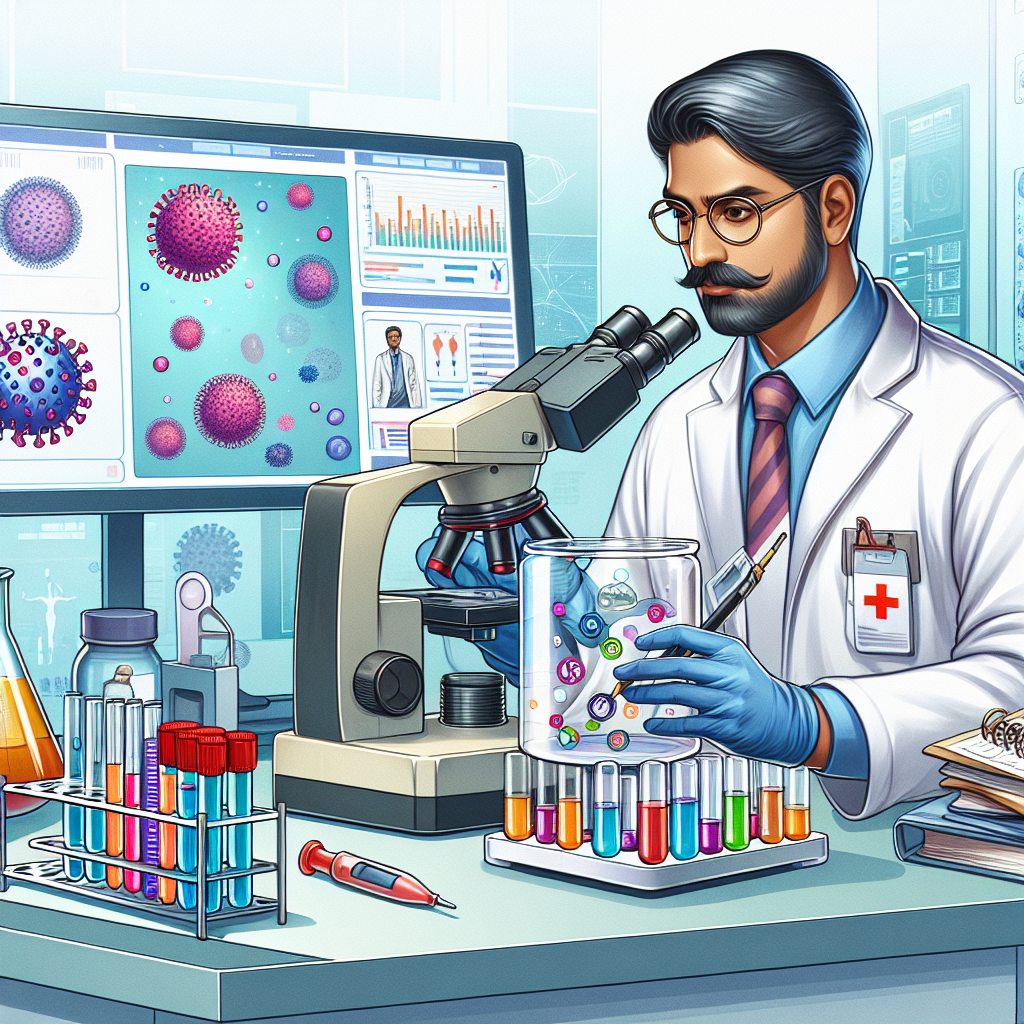
Tackling Diagnostic Delays in Hospitals
When patients arrive at hospitals with symptoms such as fever, breathlessness, or severe illness, they typically undergo a series of tests to identify underlying infections. The most common tests include screenings for dengue, influenza, Covid-19, and typhoid. This thorough yet often lengthy process is intended to rule out various infections systematically; however, it can lead to significant delays in proper diagnosis and treatment, posing serious risks to patient outcomes.
The Challenge of Comprehensive Testing
- Symptom Overlap:
- Many infectious diseases present similar symptoms, making differential diagnosis challenging.
- Testing Protocols:
- Protocols require tests to be conducted in a specific order to ensure comprehensive coverage, often leading to a delay as each report comes in sequentially.
- Resource Constraints:
- Hospitals sometimes face limitations in testing capacity or equipment, exacerbating waiting times for results.
The Impact of Delayed Diagnosis
- Worsening Conditions: Delays in identifying the correct infection can lead to a rapid deterioration of a patient’s condition.
- Increased Hospital Stay: Extended waiting times for test results can lengthen patients’ hospital stays, creating additional strain on healthcare resources.
- Psychological Stress: The uncertainty experienced by patients awaiting diagnoses can also add to their stress and anxiety levels.
Solutions for Improvement
To enhance patient outcomes and reduce delays, hospitals can implement several strategies:
- Rapid Testing Technologies: Incorporating advanced testing methods that provide quicker results.
- Integrated Testing Panels: Utilizing tests that can screen for multiple infections simultaneously to streamline the diagnostic process.
- Clinical Decision Support Systems: Employing AI and machine learning to assist physicians in making quicker, data-driven decisions regarding testing and treatment paths.
Conclusion
Addressing the challenges of diagnostic delays in hospitals is crucial for improving patient care and outcomes. By adopting innovative strategies and technologies, healthcare providers can enhance their testing capabilities, leading to more timely diagnoses and better management of patients with fever and severe illnesses.