Emphasizing Bone Health: A Lifecycle Approach from NutriWell Conclave
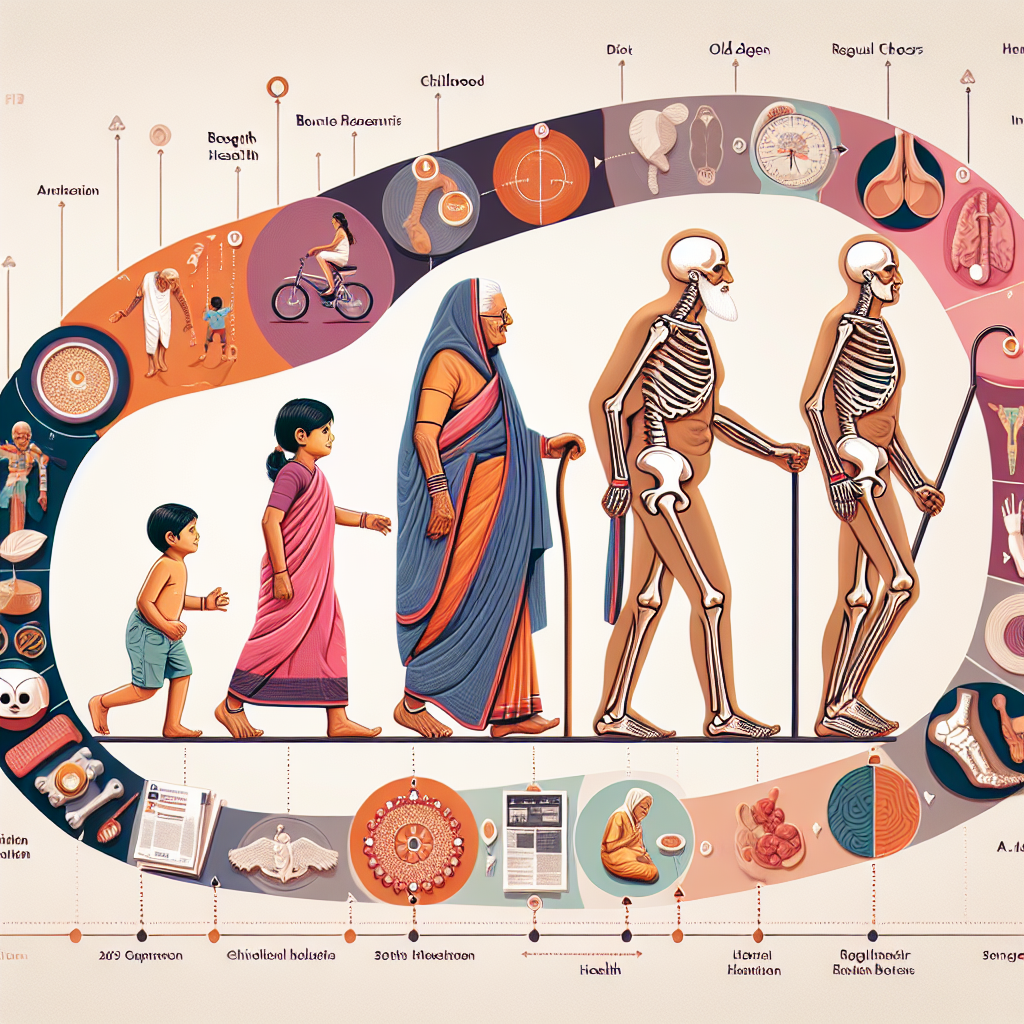
A Lifecycle Approach to Bone Health: Insights from the NutriWell Conclave
Bone health is a crucial aspect of overall health and well-being, and recent discussions at the ETHealthworld NutriWell Conclave underscored the importance of adopting a lifecycle approach. Clinicians from various specialties, including endocrinology, orthopaedics, and pediatrics, shared their insights on how optimal bone health can be maintained from childhood through old age.
Why a Lifecycle Approach?
The lifecycle approach is significant because it recognizes that bone health is not static; it evolves through different life stages. Here's a closer look at its benefits:
- Early Development: Ensuring that children receive adequate nutrition and physical activity lays the foundation for strong bones. Key nutrients like calcium and vitamin D are essential during growth periods.
- Adulthood: Maintaining bone density is critical in adulthood. Regular exercise, a balanced diet, and lifestyle choices, such as avoiding smoking and excessive alcohol, can prevent bone loss.
- Aging Gracefully: As individuals age, the risk of osteoporosis increases. Understanding hormonal changes and incorporating preventive measures is vital for elderly populations.
Key Takeaways from the Conclave:
- Cross-disciplinary Insights: Experts emphasized collaboration among various fields to create a comprehensive strategy for promoting bone health that includes medical professionals, nutritionists, and community programs.
- Public Awareness: There is a pressing need for raising awareness about bone health risks and enhancing education on preventive measures, especially in vulnerable populations.
- Innovative Therapy: Advances in medical therapies and nutritional supplements can play a role in managing bone health, particularly for patients at risk of bone-related diseases.
Conclusion
The discussions at the ETHealthworld NutriWell Conclave highlight the essential need for a lifetime commitment to bone health. By adopting this holistic approach, we can improve population health outcomes and reduce the burden of bone-related diseases. It is crucial for clinicians, policymakers, and individuals to work together to prioritize and promote healthy bones at every stage of life.