Delhi Hospital Failures: EWS Patient Care Discrepancies Revealed
Introduction
Recent allegations against a hospital in Delhi expose a significant gap in healthcare access for Economically Weaker Sections (EWS) patients. The Delhi government’s affidavit reveals that the hospital has failed to meet its mandated obligations for EWS patients, raising concerns about the quality and equity of healthcare services.
EWS Patient Care Obligations
According to the affidavit, the hospital is legally required to cater to a minimum of:
- 40% of outpatients (OPD)
- 33% of inpatients (IPD)
These stipulations were designed to ensure that financially vulnerable populations receive adequate healthcare services.
Findings from Scrutiny
However, an analysis of records from the past five years paints a troubling picture:
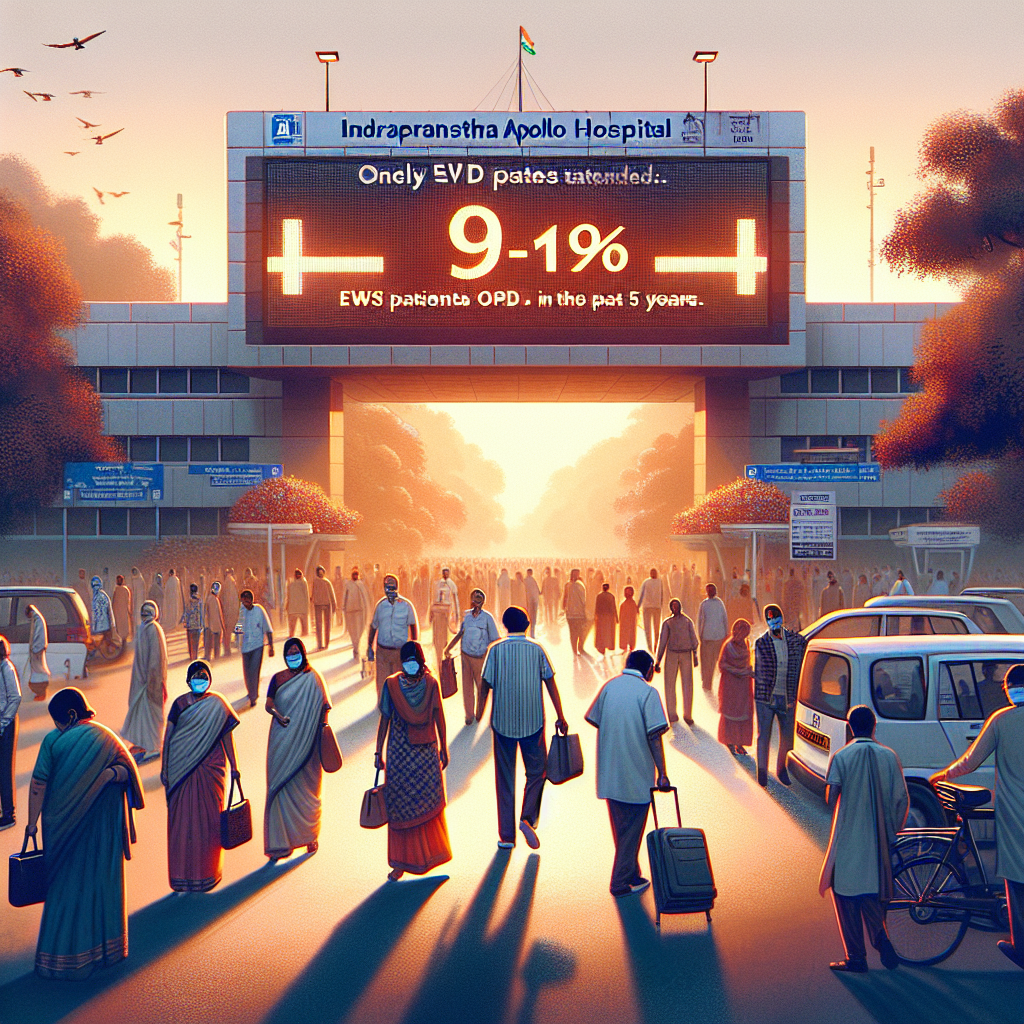
- Only 9-10% of OPD patients fall under the EWS category.
- A mere 7-9% of IPD patients are identified as EWS.
This stark contrast between the mandated obligations and the actual service provided highlights serious discrepancies in patient care.
Implications for Healthcare Access
The failure to meet EWS patient care requirements can lead to:
- Increased health disparities among economically disadvantaged groups.
- Limited access to essential healthcare services, potentially worsening health outcomes.
- Legal and ethical concerns regarding hospital accountability and government oversight.
Conclusion
This revelation emphasizes the urgent need for policy intervention and oversight to ensure that hospitals fulfill their obligations toward EWS patients. Addressing these discrepancies is crucial for achieving equity in healthcare and improving access for all segments of society. Stakeholders must work collaboratively to implement reforms that safeguard the rights and health of economically vulnerable populations.
By shining a light on these issues, we can advocate for better resources and support for EWS patients, ensuring they receive the care they deserve.