Declining Air Quality: A Crisis in the Indo-Gangetic Plain
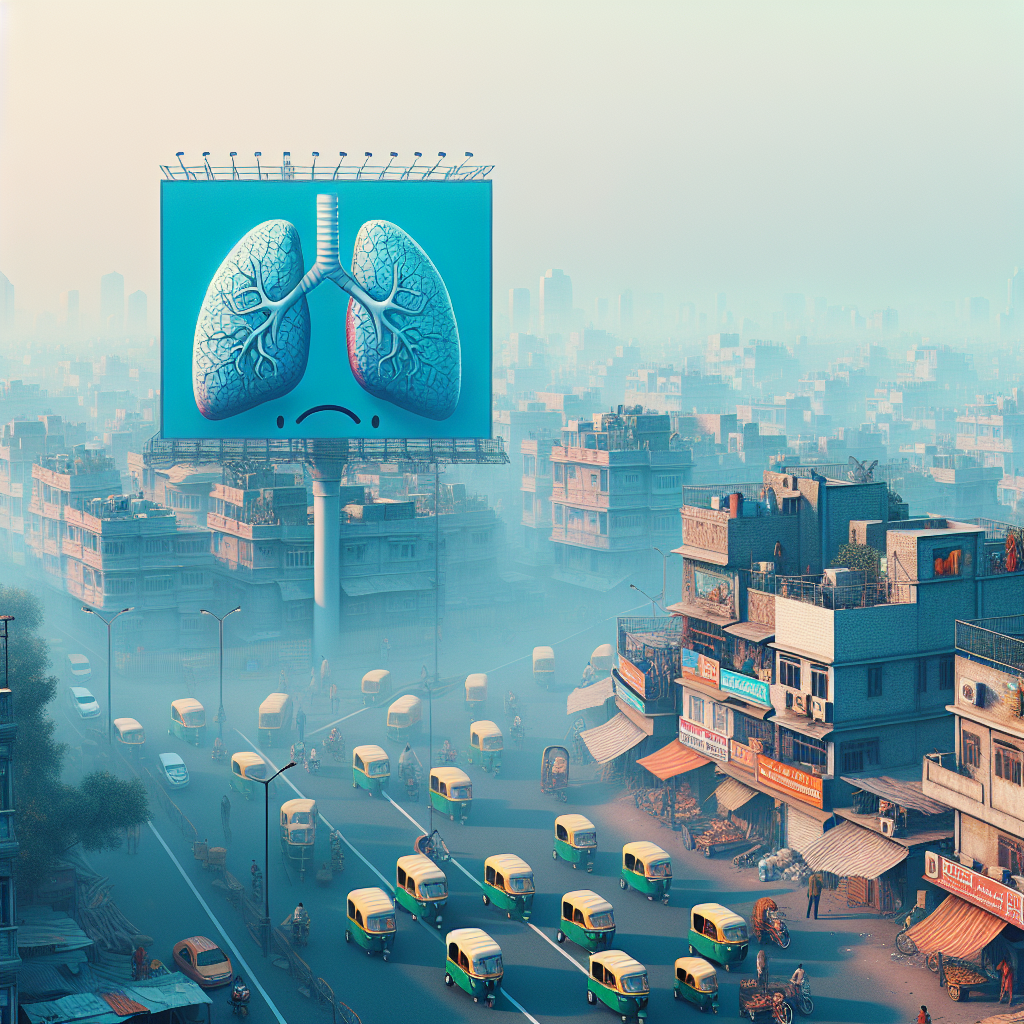
Declining Air Quality: An Inquiry into the Indo-Gangetic Plain Crisis
Overview
Recent findings highlight a significant decline in air quality throughout the country, with the most alarming conditions found in the Indo-Gangetic Plain (IGP). This region, particularly the National Capital Region (NCR), faces a crisis as air pollution levels reach concerning heights.
Key Findings
- Deterioration Depth: The analysis reveals a sharp deterioration in air quality nationwide, identifying specific areas in dire need of attention, particularly the NCR.
- Impact on Health: Poor air quality poses serious health risks, affecting respiratory functions, increasing cardiovascular issues, and exacerbating pre-existing health conditions.
- Contributing Factors: Major factors deteriorating the air quality include vehicle emissions, industrial discharge, and agricultural practices.
The Indo-Gangetic Plain and Its Challenges
The IGP is home to a dense population and significant urbanization. Its geography, featuring mountainous borders and plains, exacerbates pollution retention, creating a hazardous environment for millions.
- NCR Under Siege: The National Capital Region is particularly affected due to its high population density and industrial contraptions. Regular monitoring and prompt action are crucial to mitigating this trend.
Solutions and Future Steps
- Policy Implementation: It is imperative for governmental bodies to enforce stricter emissions standards and promote clean energy solutions.
- Public Awareness: Heightened public awareness can drive community engagement in pollution-reduction initiatives, including promoting public transport and green spaces.
Conclusion
The sharp decline in air quality across the Indo-Gangetic Plain, especially in the NCR, underscores an urgent environmental crisis. Collective action is essential to reverse these troubling trends and safeguard public health for future generations.