Critical Decline: Delhi's Air Quality Crisis Explained
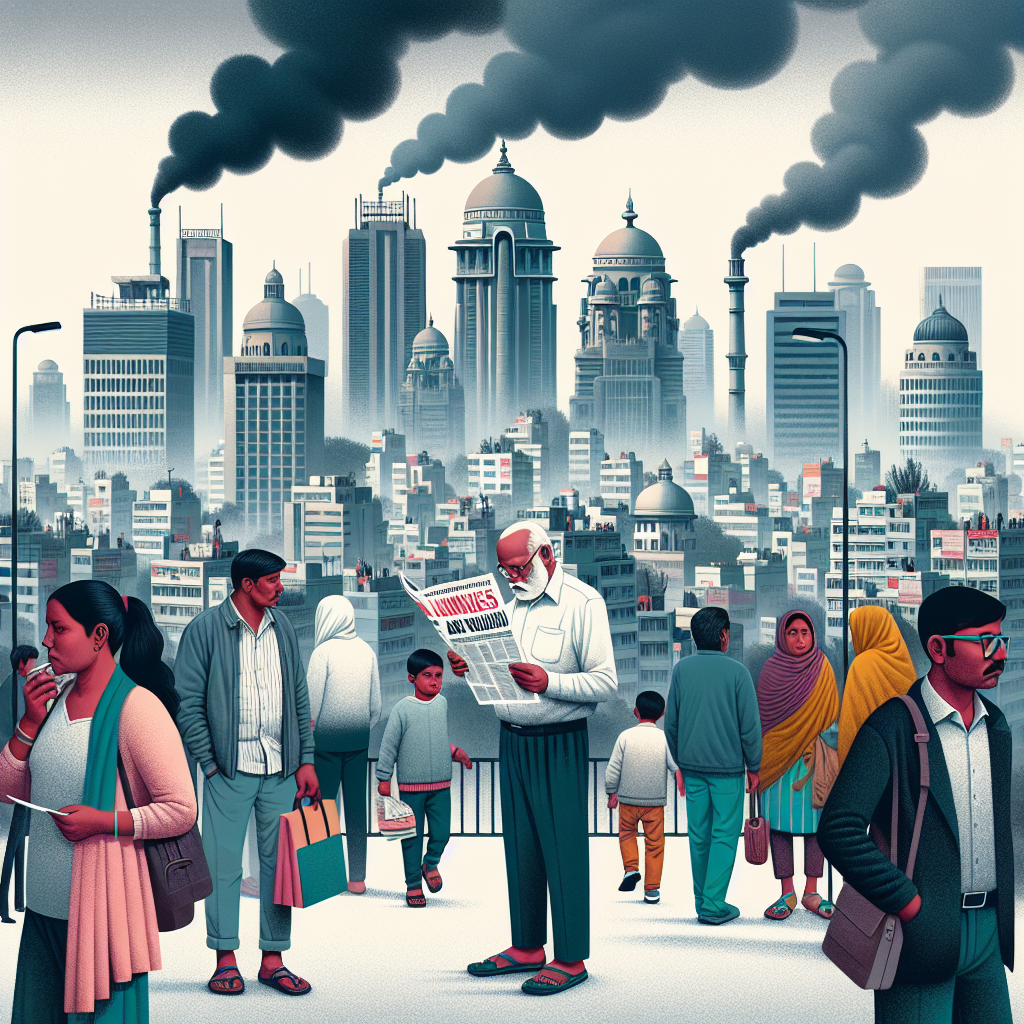
Long Description
Overview of Delhi's Air Quality Crisis
The air quality in Delhi has become a critical issue over the past several years, prompting widespread concern among residents and health officials alike. With the Air Quality Index (AQI) frequently falling into 'very poor', 'severe', and even 'hazardous' categories, especially during the winter months, this problem is escalating rapidly.
Key Factors Contributing to Deterioration
Several contributing factors have led to the deterioration of air quality in Delhi, including:
- Vehicular Emissions: A staggering increase in the number of vehicles on the road emits significant pollutants.
- Construction Dust: Ongoing construction activities contribute to the particulate matter in the air.
- Industrial Discharges: Factories in and around Delhi release harmful gases, worsening air quality.
- Crop Burning: Seasonal crop burning in neighboring states adds to the pollution levels, especially during winter.
Health Implications of Poor Air Quality
The poor air quality in Delhi has serious health implications for its residents, such as:
- Respiratory Issues: Increased cases of asthma, bronchitis, and other respiratory diseases.
- Cardiovascular Problems: Higher risk of heart attacks and other cardiovascular diseases due to prolonged exposure to pollutants.
- Impact on Children: Vulnerable groups, especially children, can experience developmental issues and reduced lung function.
Government and Community Actions
In response to the air quality crisis, both governmental and community initiatives have emerged to combat this pressing issue:
- Regulatory Measures: Implementation of stricter emission norms for vehicles and industries.
- Public Awareness Campaigns: Initiatives aimed at educating the public on reducing personal emissions.
- Afforestation Programs: Planting trees and creating green spaces to improve air quality.
Moving Forward
Addressing Delhi's air quality crisis requires a concerted effort from all stakeholders, including the government, industries, and citizens. By understanding the causes and health implications, measures can be taken to navigate towards a cleaner, healthier environment for all.