Balancing Frailty and Depression: Insights from Recent Research
Understanding the Interconnection Between Frailty and Depression
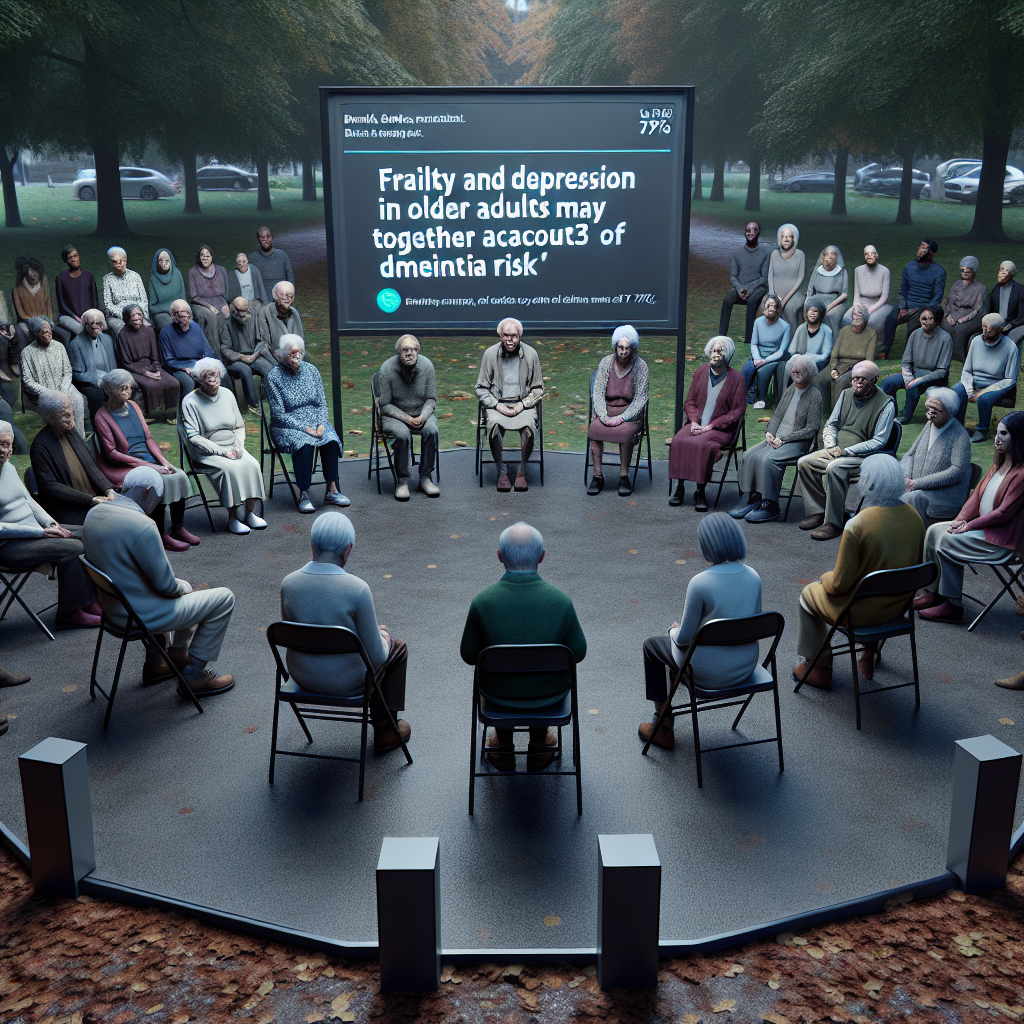
Recent research has uncovered key insights into the complex relationship between frailty and depression, revealing how these two conditions can influence cognitive health. This study highlights that:
Lower Levels of Frailty: Individuals experiencing reduced frailty may find that it helps offset some cognitive burdens associated with depression. This insight suggests that addressing frailty might lead to improved mental health outcomes.
Lower Levels of Depression: Conversely, lower levels of depression can positively impact an individual's experience of frailty, possibly making it feel less burdensome. This finding emphasizes the importance of mental health in managing physical health challenges.
Implications for Health Interventions
Understanding these dynamics offers several implications for healthcare providers:
Holistic Approaches: Combining strategies that address both frailty and depression could enhance overall health outcomes for affected individuals.
Preventive Measures: Early interventions aimed at reducing either condition may improve cognitive health and enhance quality of life.
Conclusion
This research underscores the intricate link between mental and physical health, suggesting that by fostering either lower levels of frailty or depression, we can potentially alleviate cognitive burdens. Continued exploration in this area may lead to innovative treatments that offer hope to those facing these challenges.