40 Recommendations to Improve Fertility Care Globally
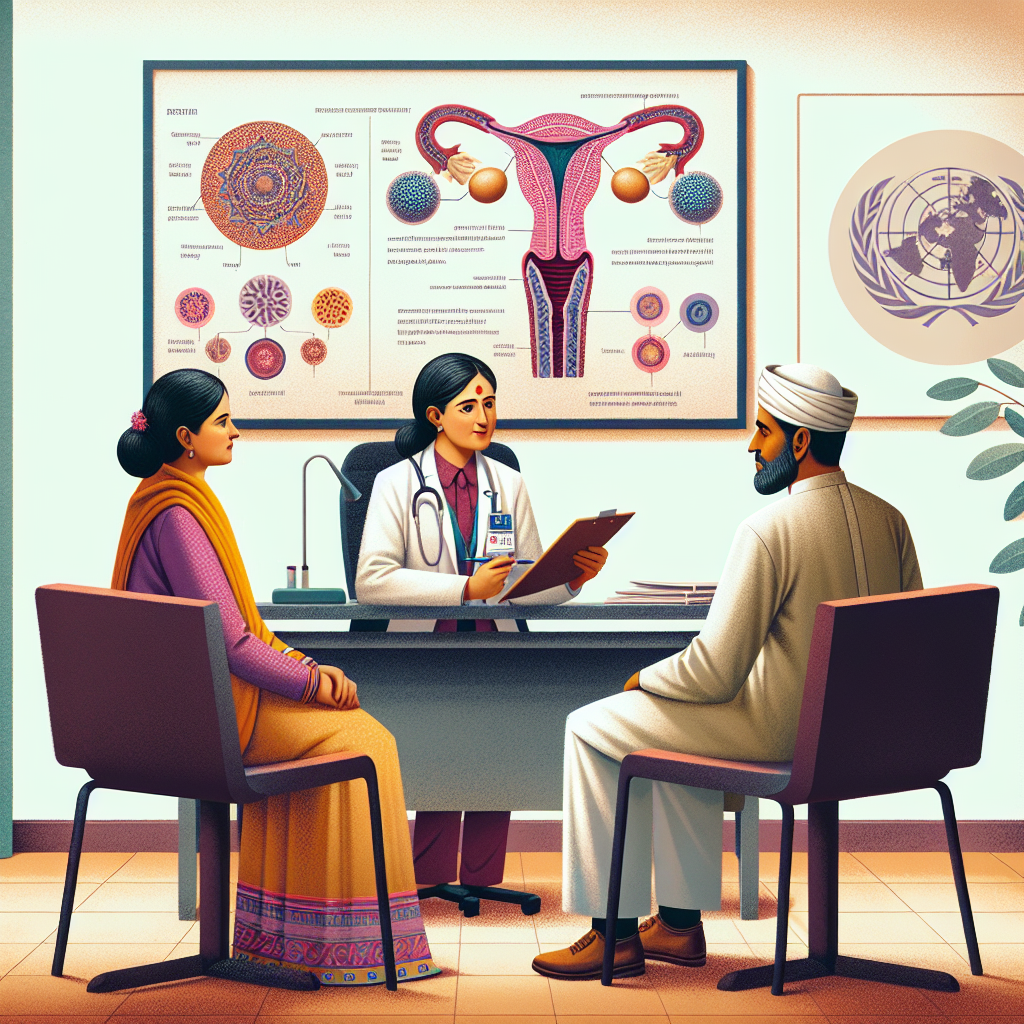
Enhancing Fertility Care: WHO's 40 Global Recommendations
In an effort to improve fertility care around the globe, the World Health Organization (WHO) has issued 40 comprehensive recommendations designed to address the complexities of infertility. This initiative emphasizes the need for accessible, safe, and equitable fertility care frameworks, particularly for those experiencing male, female, and unexplained infertility. The following sections delve into key aspects of these recommendations and their implications for health systems and individuals alike.
Key Focus Areas
Equity in Access: Ensuring that fertility services are accessible to all demographics, regardless of socioeconomic status.
Safety Standards: Implementing rigorous safety protocols to minimize risks associated with fertility treatments.
Affordability: Striving to make fertility care economically feasible for a larger portion of the population.
Recommendations Overview
- Awareness Campaigns: Promote awareness about infertility causes and treatments to reduce stigma.
- Guidelines for Healthcare Providers: Standardize treatment protocols based on the latest research to improve service delivery.
- Training Programs: Provide comprehensive training for professionals involved in fertility care to enhance service efficacy.
- Support Systems: Establish counseling and support services for individuals and couples struggling with infertility.
- Data Collection and Research: Encourage national and international research to better understand infertility epidemiology and treatment outcomes.
Why These Recommendations Matter
The WHO's recommendations aim to create a holistic approach to fertility care. By prioritizing safety, fairness, and affordability, they advocate for a healthcare model that not only considers the medical aspects of infertility but also the emotional and psychological well-being of individuals and families.
Conclusion
By adopting these recommendations, countries can significantly improve their fertility care frameworks, ensuring that all individuals have access to the necessary treatments and support. The WHO's guidance serves as a vital resource in the global effort to enhance the quality and equity of fertility care, ultimately allowing for a more inclusive and supportive healthcare environment.